Thank you for supporting this fundraiser!
You’ve previously contributed
Thank you for supporting this fundraiser!
You’ve previously contributed
raised of $125,000 USD goal


Salam, it’s Rasheed, the developer of Dreams on a Pillow - the pseudo-stealth adventure game based on the true events of the 1948 Nakba in Palestine. We have a lot of updates to report on since our first crowdfunding campaign, but first and foremost I am proud to announce that we’ve reached a major milestone in the development timeline: we just wrapped up the pre-production phase and we are moving into full production.
That means we have successfully assembled our core team across all disciplines and together we’ve established healthy production standards and pipelines. On the gameplay side, our main goals were to lock in the puzzle pipeline, level editor, gameplay mechanics and much more.
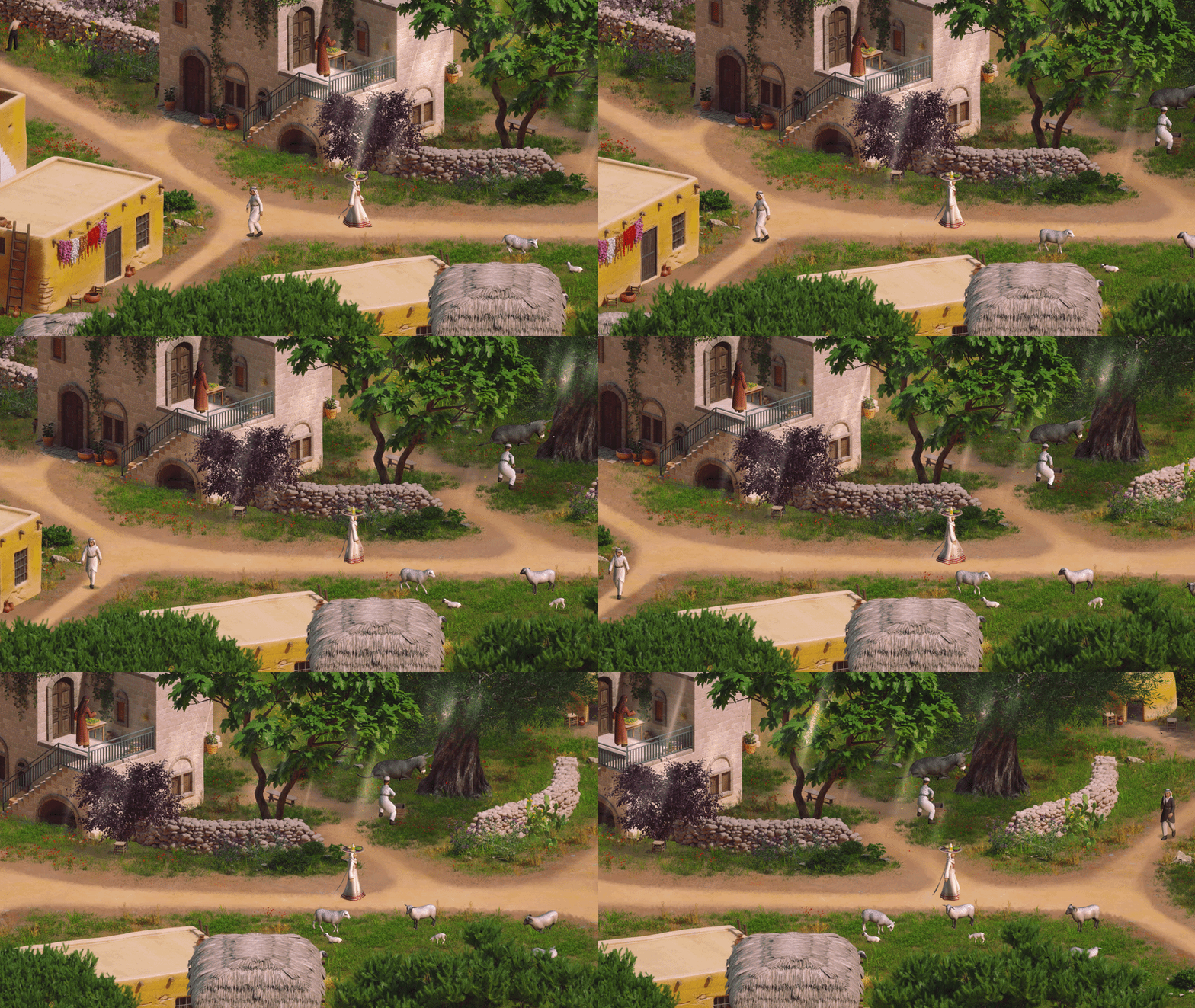
One of the more notable milestones we can share with you today is the final art style, and it is genuinely gorgeous - I cannot be more proud of the work of our fantastic art team - an incredibly versatile art style that expresses the beauty and liveliness of pre-1948 Palestine through the eyes of Khadra, our young protagonist - but that can also drive home the terror and horror of the roaming invaders, the massacres, and the devastating dispossession of the Nakba.
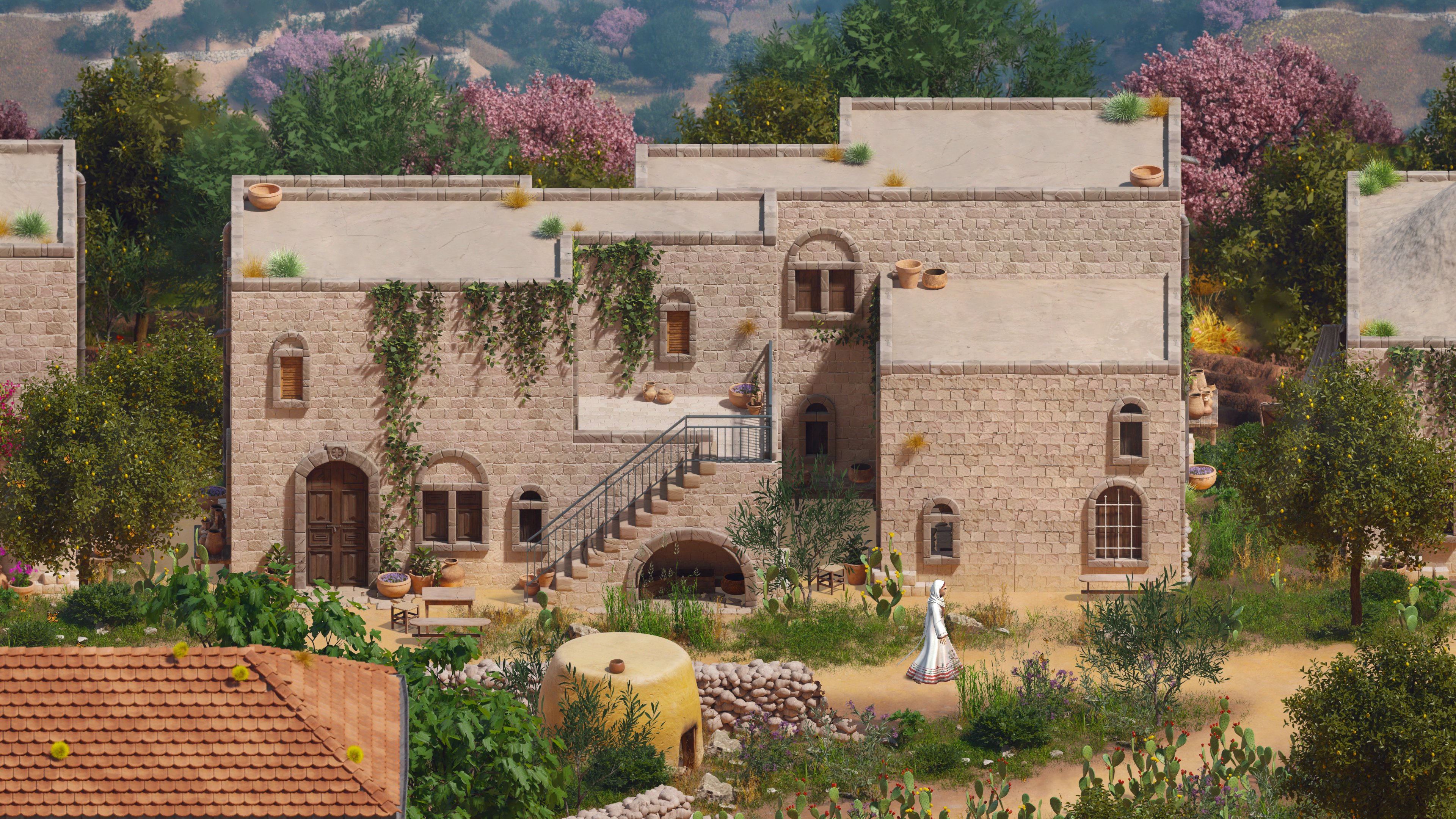
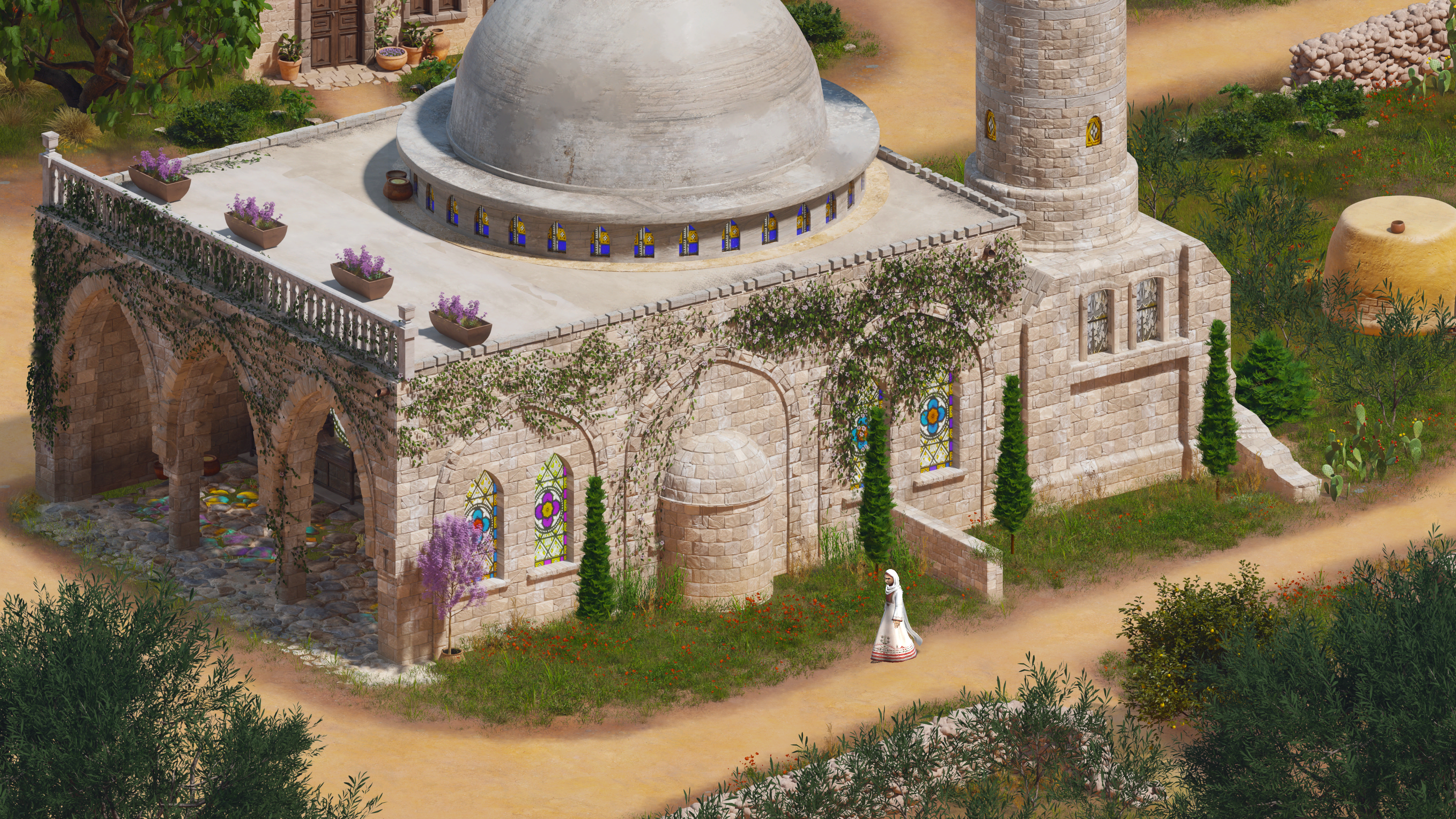
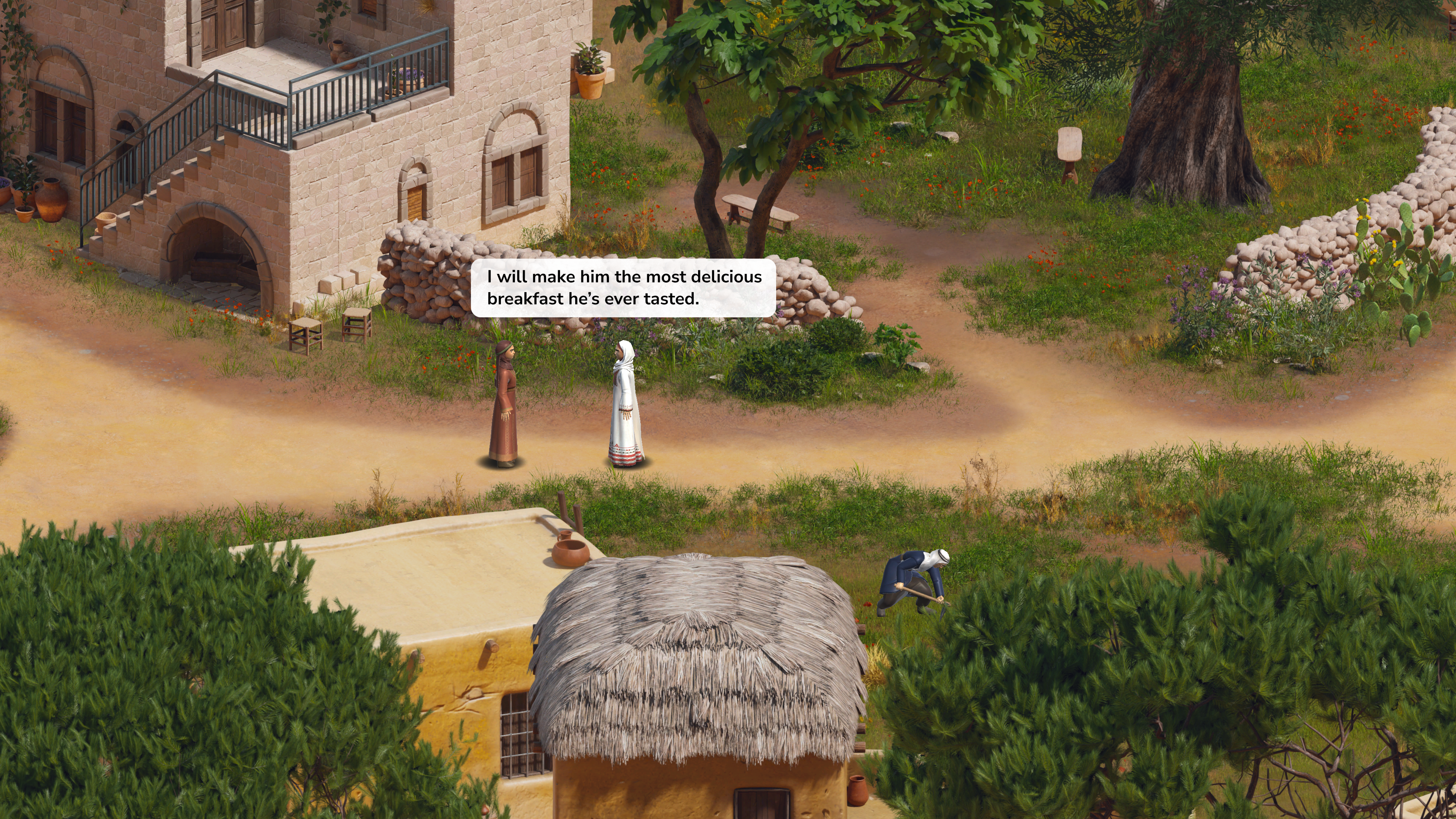
As mentioned, we also have been working hard on creating and fine tuning the in-game gameplay loop. The Dreams on a Pillow gameplay loop mirrors Khadra’s dangerous journey through her escape from Palestine to the hope of safety in Southern Lebanon - shifting between the brutalities of Reality, the trauma-induced Nightmares, and her memories of her childhood in the Palestinian fisherman’s village of Al Tantura in her Dreams.
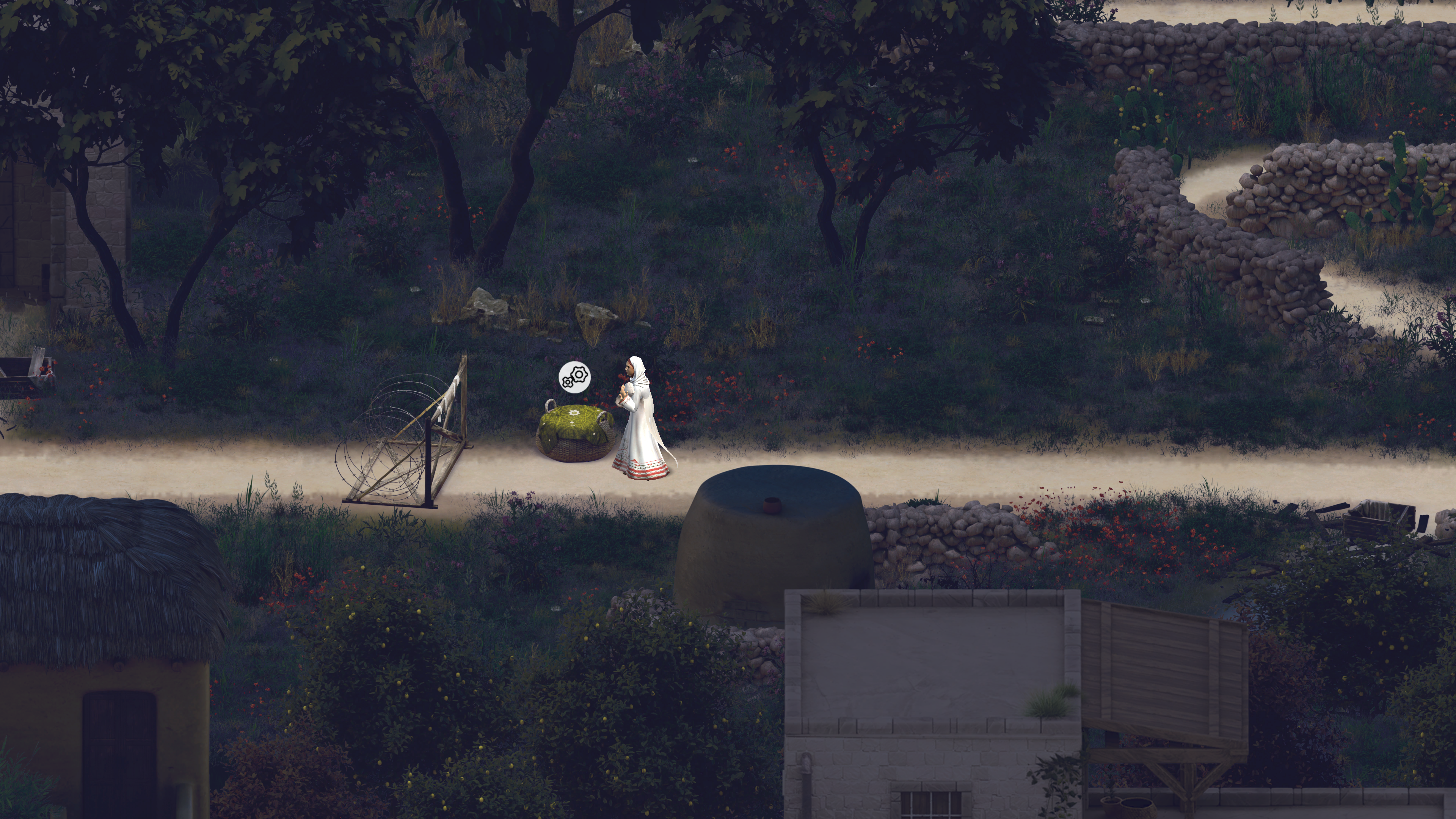
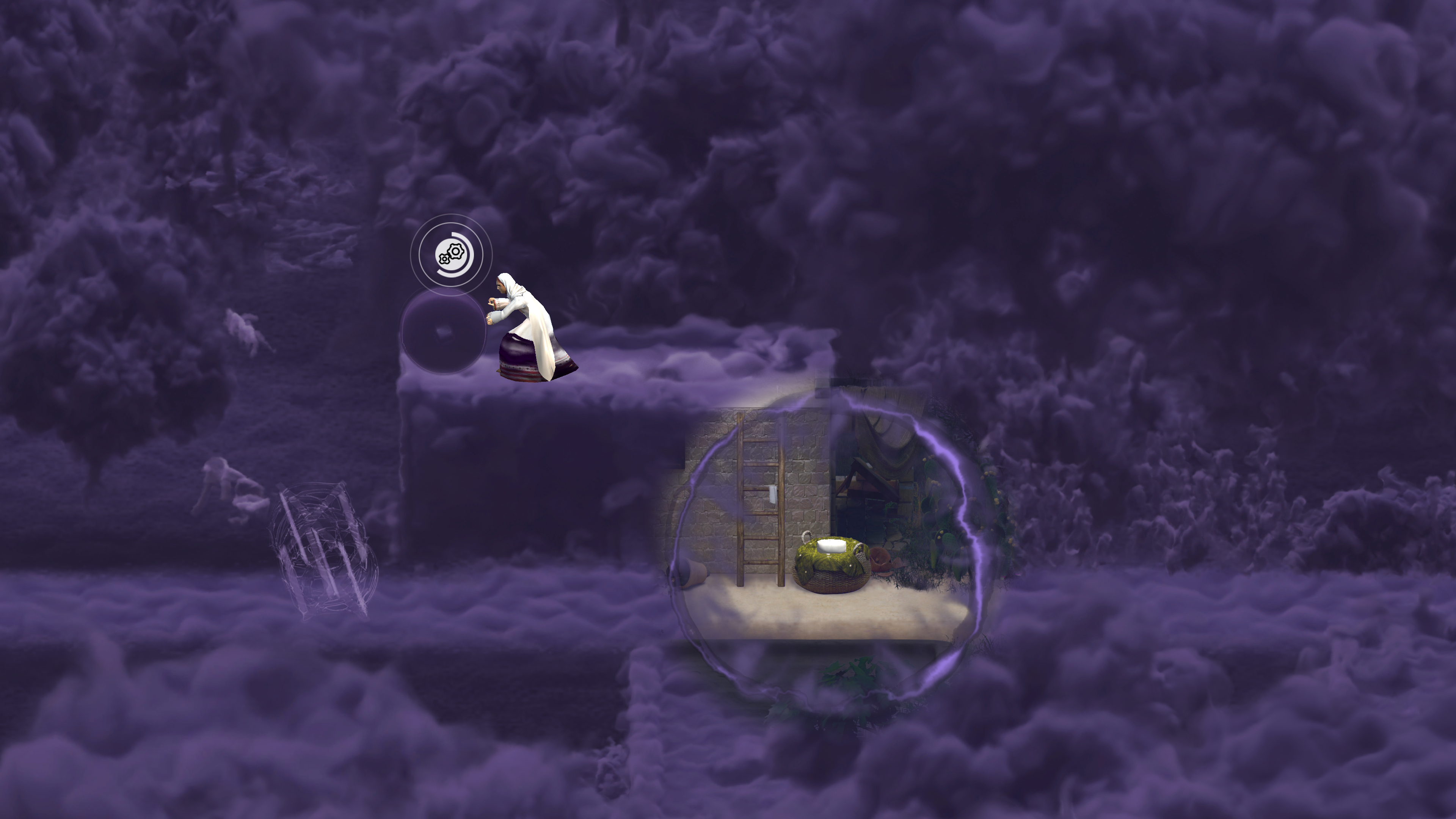
As part of our pre-production, we have fully created two story-bearing levels based in Al Tantura, Palestine.
In the one level, in Khadra’s Dreams, a newly married Khadra hopes to surprise her husband with an unexpected breakfast picnic as he works the fields. As they complete their meal, a villager approaches them and whisks the husband away to patrol the nearby fields, as the gathering darkness of the Nakba is starting to build over the peaceful lives of their young family.
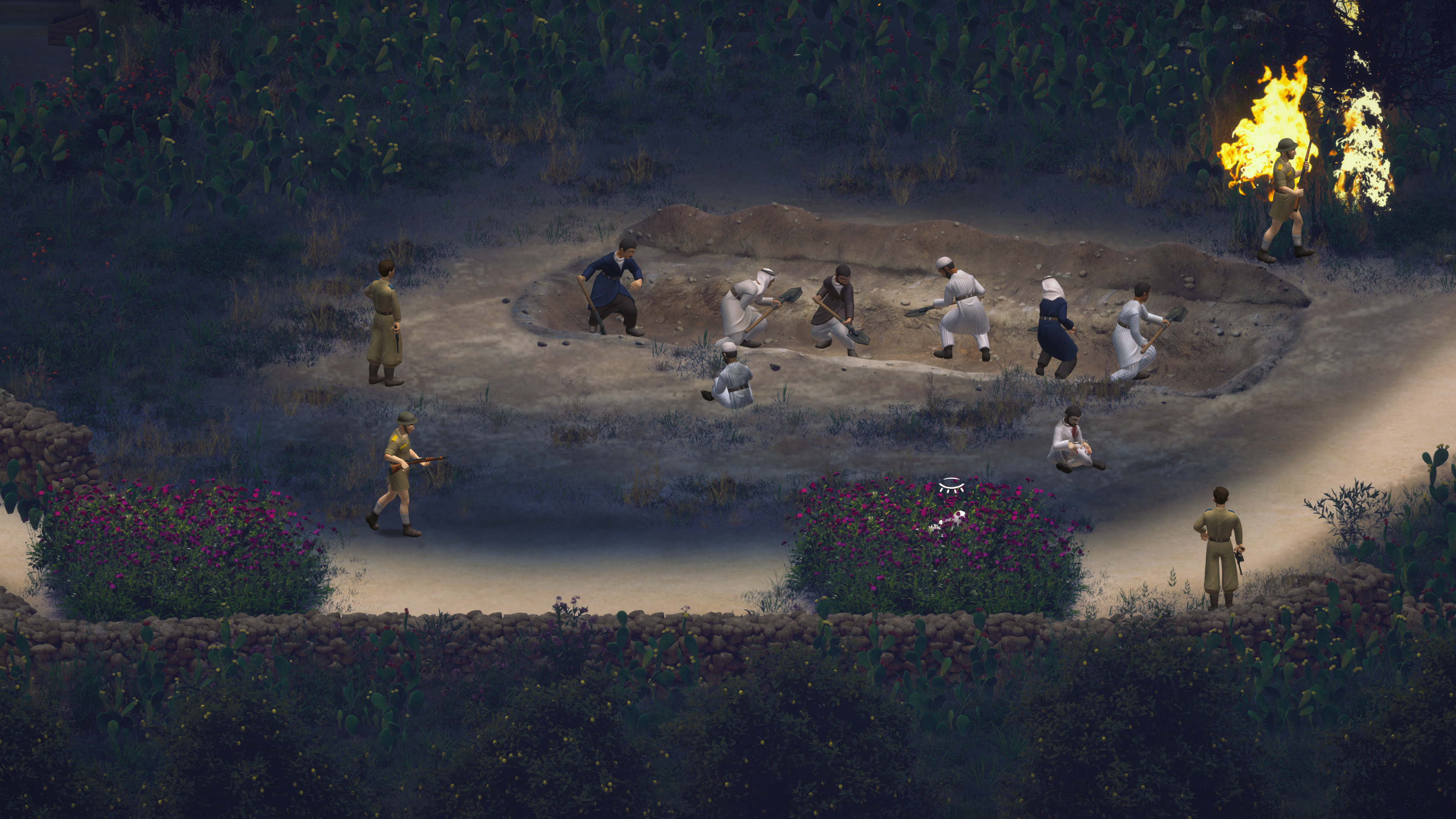
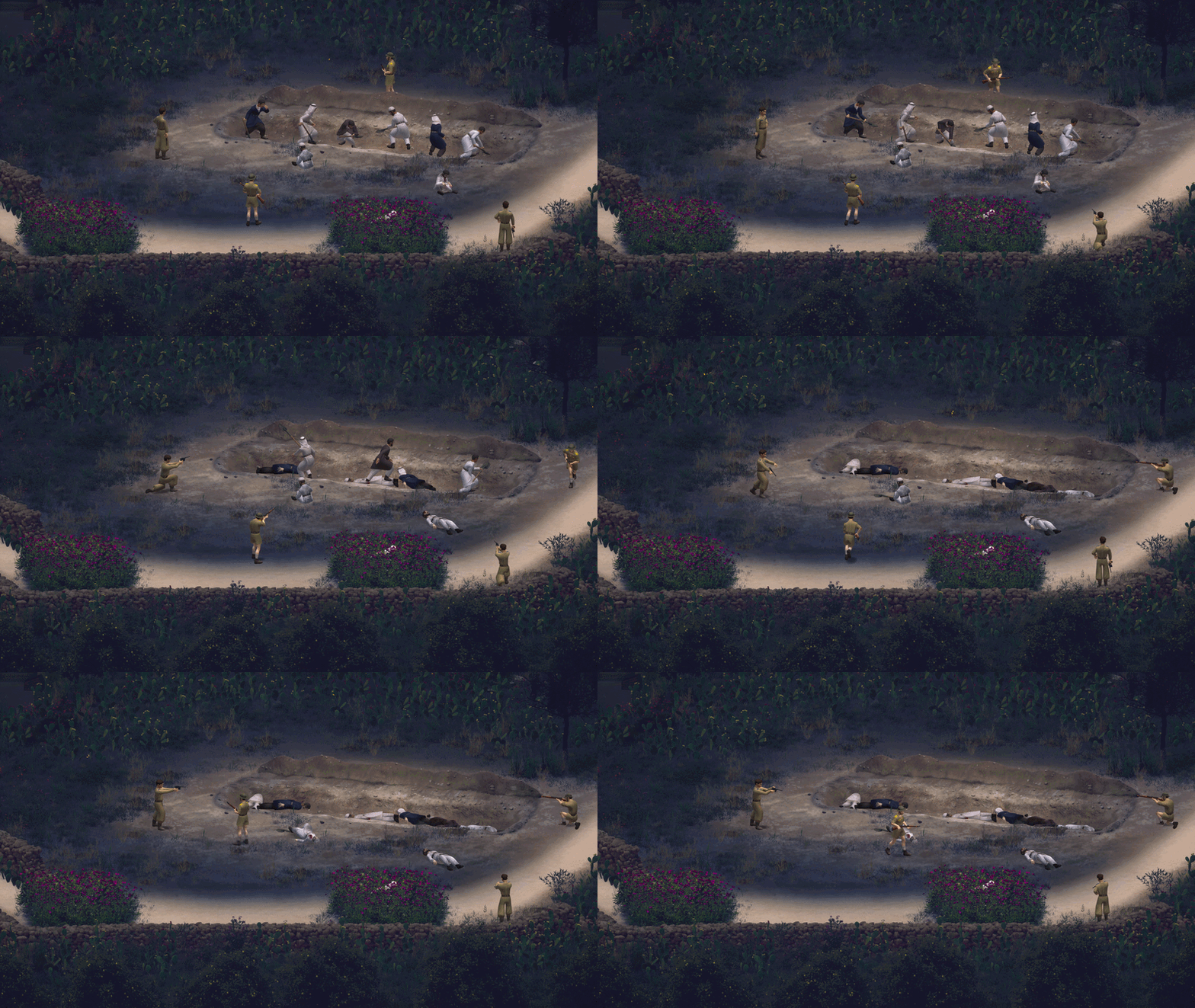
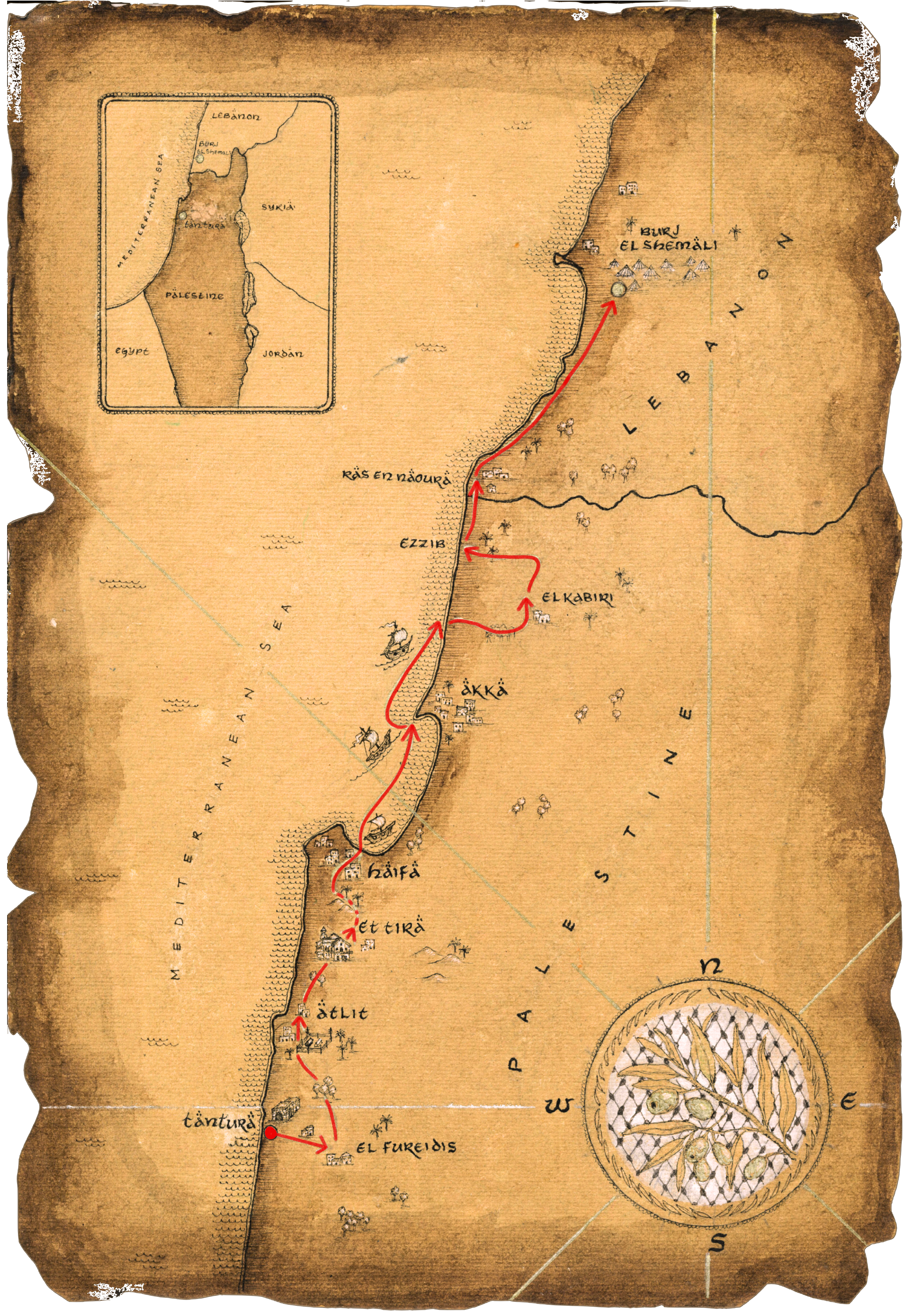
In the second level, set near the start of the game, Khadra must escape the burning village of Al Tantura as Zionist invaders have murdered or captured many of the villagers that had refused to leave. She must navigate difficult terrain, damaged structures, and Zionist patrols while clamping on to her eponymous Pillow - a source of soothing and reassurance, but a reminder of a terrible trauma that has torn apart everything she loved and lived for minutes before the scene starts. As she makes it to the Eastern edge of her former home town, she witnesses the historical massacre of South Tantura, and escapes in the direction of the nearby town of Al Fureides.
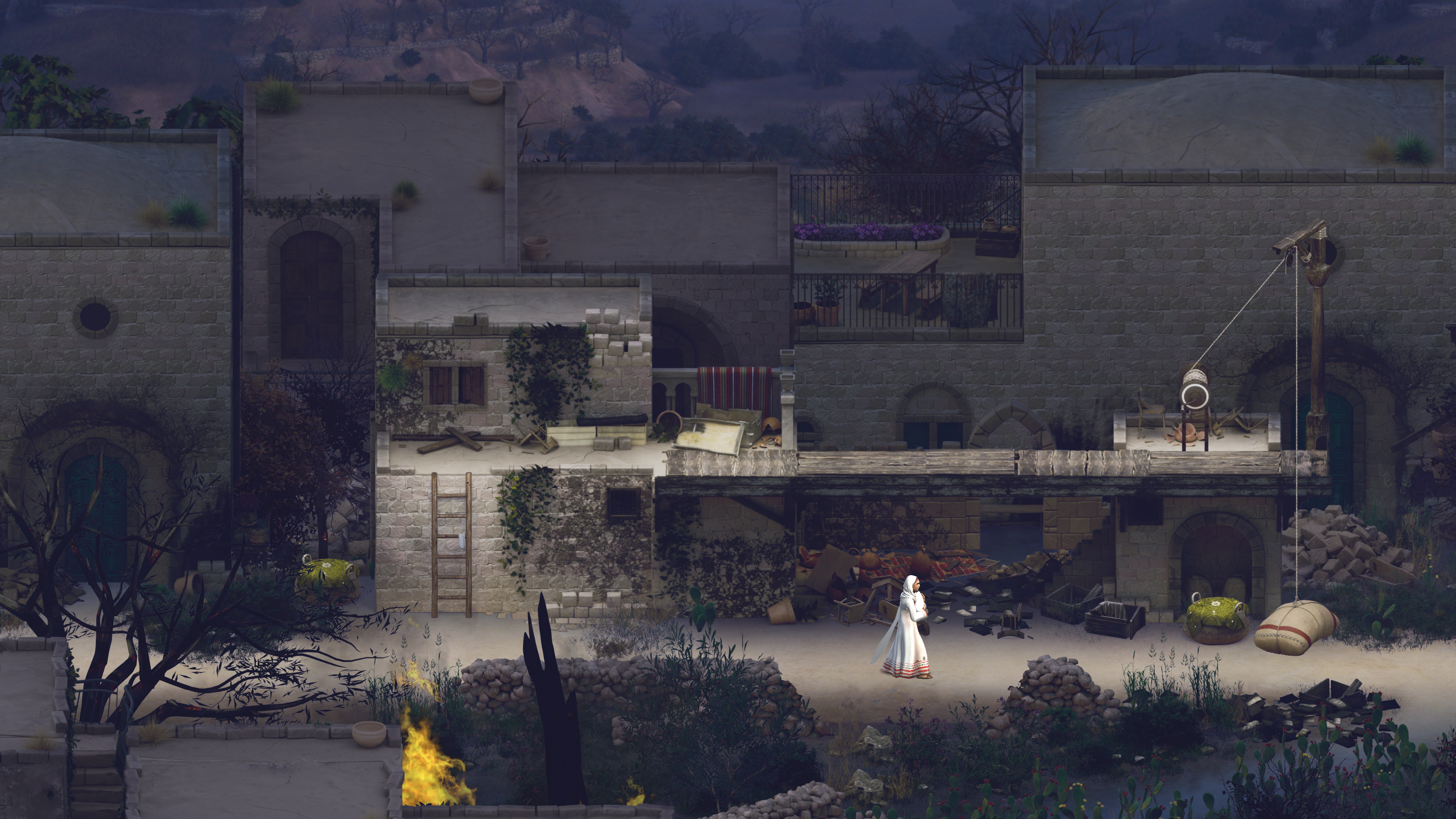

After the success of the first crowdfunding campaign, we used the funds to progress through the pre-production phase of development. For the pre-production milestones, we hired a strong core team, set up all production pipelines and workflows needed to develop the game, and achieved the target art style and performance. During this process, we completed a significant portion of the game’s content. Here is a small sample of milestones and achievements from this phase:

I am happy to share that one of the perks we promised is ready to distribute to our supporters. "Nakba Witness" level supporters and above can now access "Still Playing", a documentary short about my life as a game developer in Palestine. The film is produced by Don Quichotte Films and directed by French-Algerian filmmaker Mohamed Mesbah. It recently screened at several film festivals and received recognition after premiering at the Locarno Film Festival in Switzerland.
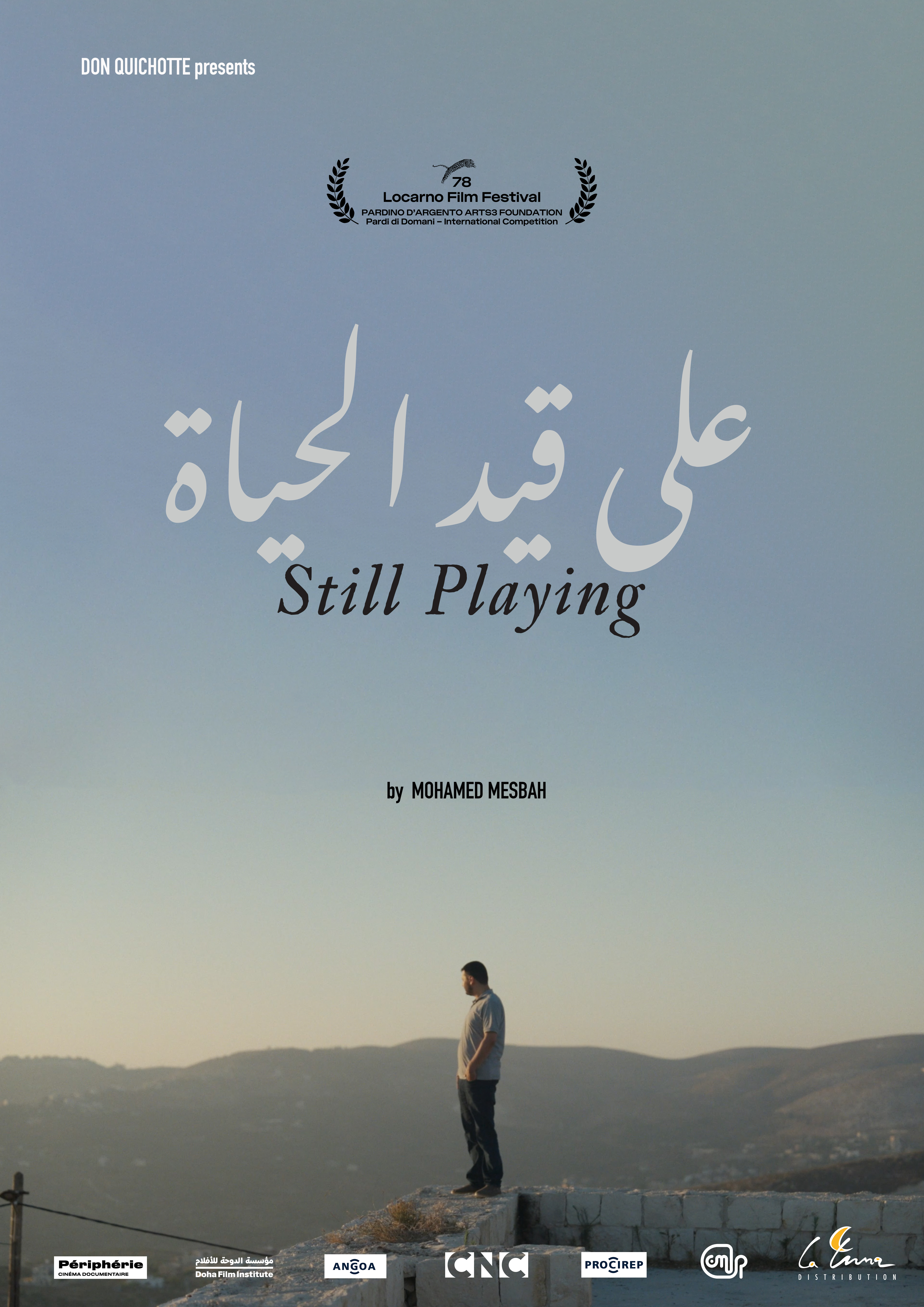
"West Bank, summer 2024: Rasheed, a video game creator, tries to raise his two sons amid Israeli army raids and the war in Gaza. At night, he creates games where mothers and fathers can no longer protect their children."

All of this would’ve been impossible without the generous contributions of our backers in the first campaign - and we’re happy to say that we have achieved the promised goals on-time and on-budget.
Sadly, as before, despite the world witnessing the countless atrocities wrought on Palestine in the past few years, and the rising global support for the Palestinian people, the games industry does not want to align itself with a Palestinian-made game. After countless efforts and a successful crowdfunding campaign, publishers and investors continue to ignore our pitch, ignore our build, and ignore our project plan. We can’t even get an answer for many of them with an explanation of why they’re not interested - presumably because many don’t want to write down that the reason is that it is game about Palestinian history.
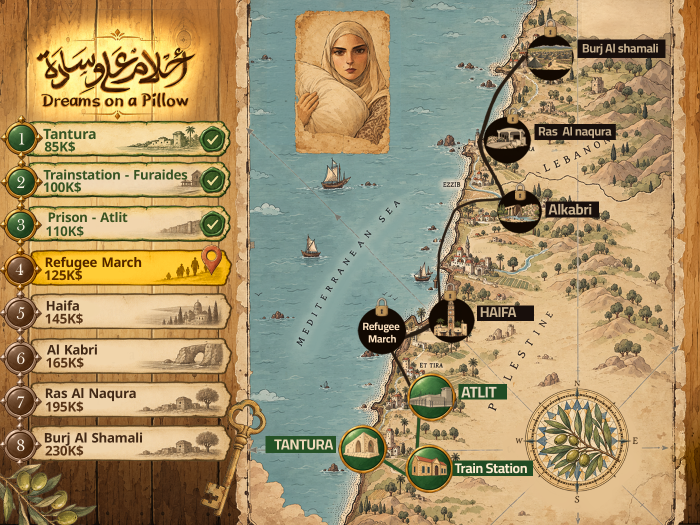
That means crowdfunding remains our only option. In our first campaign, we estimated a $500,000 total budget. We split the ask into two major campaigns, and you helped fund the first $195,000 tranche with your generosity and support.
After completing the pre-production phase, gathering all the details, and building out the complete scope of the game, we now have a much clearer picture of what it will take to bring the full story to life. Based on this, we estimate that we need $400,000 more to complete the game and release it on all our target platforms and in all our target languages.
Our producer and the team have run the numbers over and over and over to make sure we can justify every dollar asked for, and they want to explain a bit of what we’re going to be spending on in the first phase, and how that benefits the game.
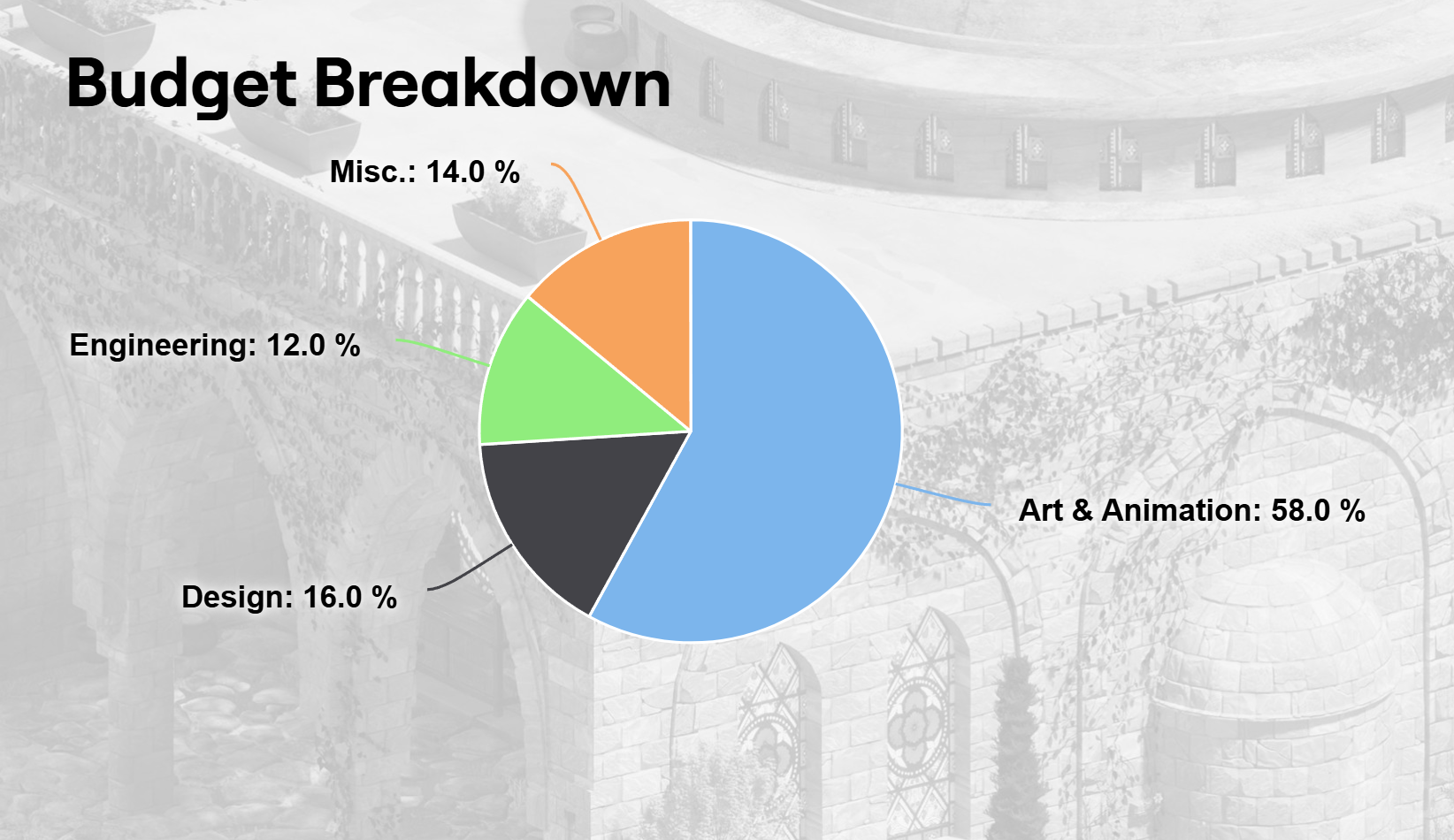
Much of the game's budget will be spent on bringing the splendor and horrors of the Palestinian history to life in the beautiful art style created by our art team. With countless locations throughout the West-coast of Palestine, Khadra’s path brings her past beautiful nature, Zionist labor and prison camps, fallen cities, and shimmering shorelines. Amidst one of the largest mass dispossessions in history, she ventures North to Lebanon - and all these places deserve the respectful and careful treatment that we’ve been able to give Al Tantura.
The other costs are fairly evenly split between the ideation and testing of puzzles, dialogue, and gameplay systems (design) and the actual technical implementation of those (engineering). Ensuring that our engineering team has enough resources to keep our designers and art teams unblocked, while having the space to explore and expand on promising ideas and interesting findings during development is a critical part of making the world of Dreams on a Pillow feel lived in and true.
Miscellaneous costs cover software licensing, music, narrative, research, and other costs that enhance the gameplay experience by enabling the team to work together, to create their best work, and to do so in the most efficient and healthy ways.
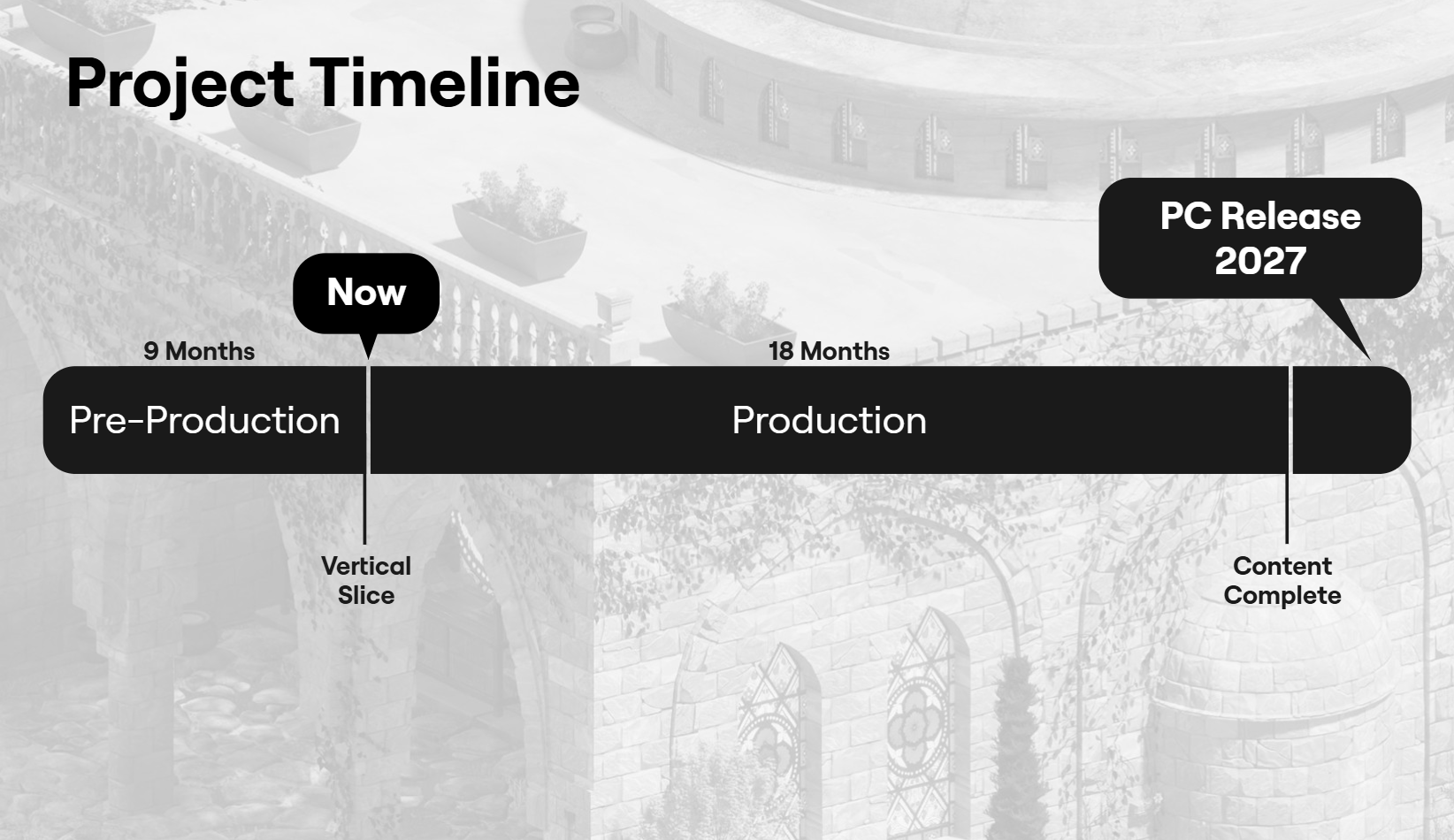
Timeline-wise, based on our existing momentum, the project will need 18 months of work to release. We aim to be feature complete within the first 6 months of development, and to achieve content complete no more than ten months after that. Our release target is to release Dreams on a Pillow on PC first in 2027 - although full transparency does encourage us to make clear that there is always a chance that the project’s release will slide into 2028.
Finishing Dreams on a Pillow would not just be a victory for Palestinian game development, but for storytelling for marginalized and suppressed stories globally. Being able to share this folklore of Palestinian history amidst the oft-violent suppression of Palestinian support, culture, history, and storytelling is a reminder that games can tell stories that are otherwise impossible to tell.
Dreams on a Pillow - A folktale inspired by true events
From an award-winning Palestinian game designer, Rasheed Abueideh, Dreams on a Pillow is a pseudo-stealth, puzzle adventure game inspired by a Palestinian folktale about a young woman called Khadra. Throughout the game, players encounter the untold stories of Palestinian history woven through Khadra’s dreams, haunted by her nightmares and the harsh displacement and relentless pursuit of refuge after being torn from her home.
More Gameplay Footage

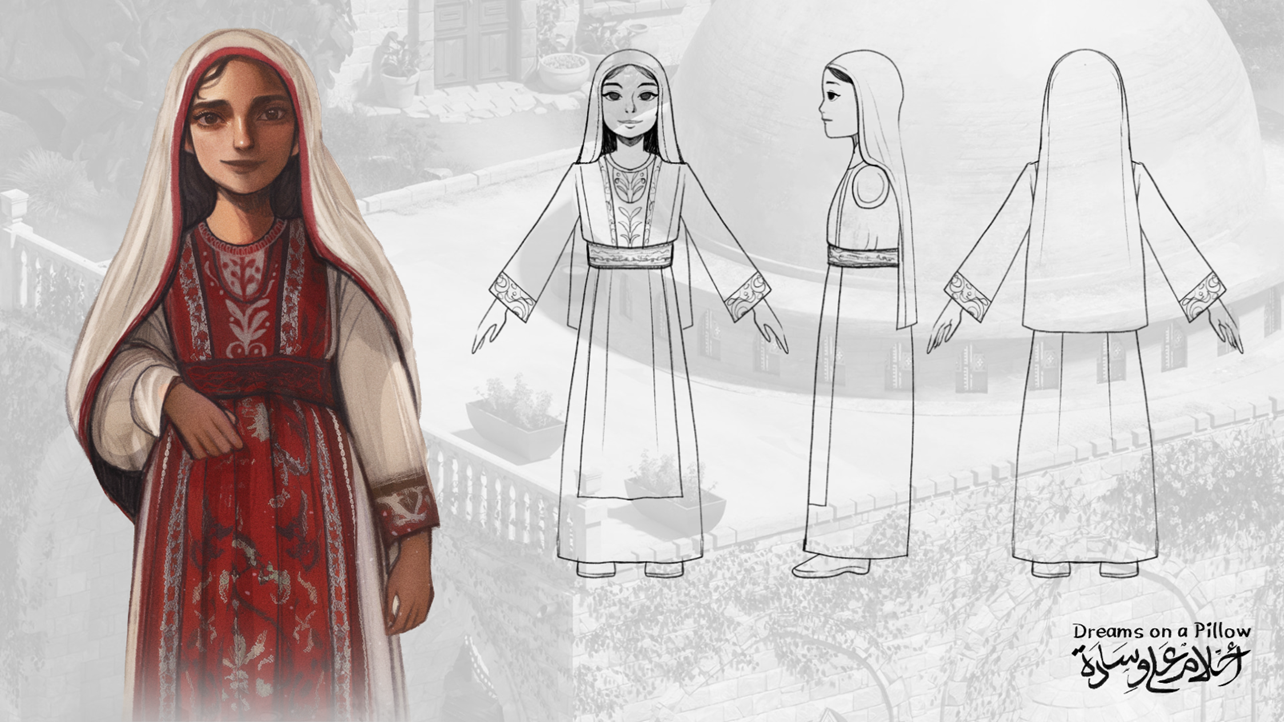
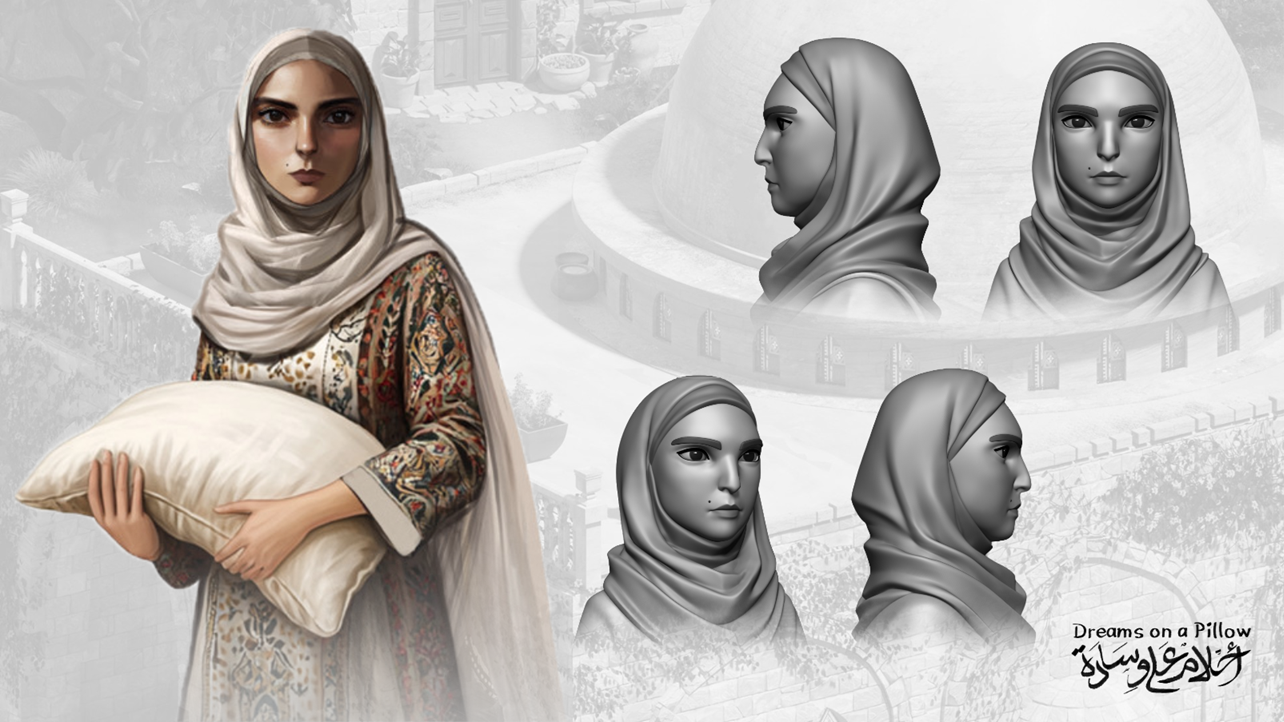
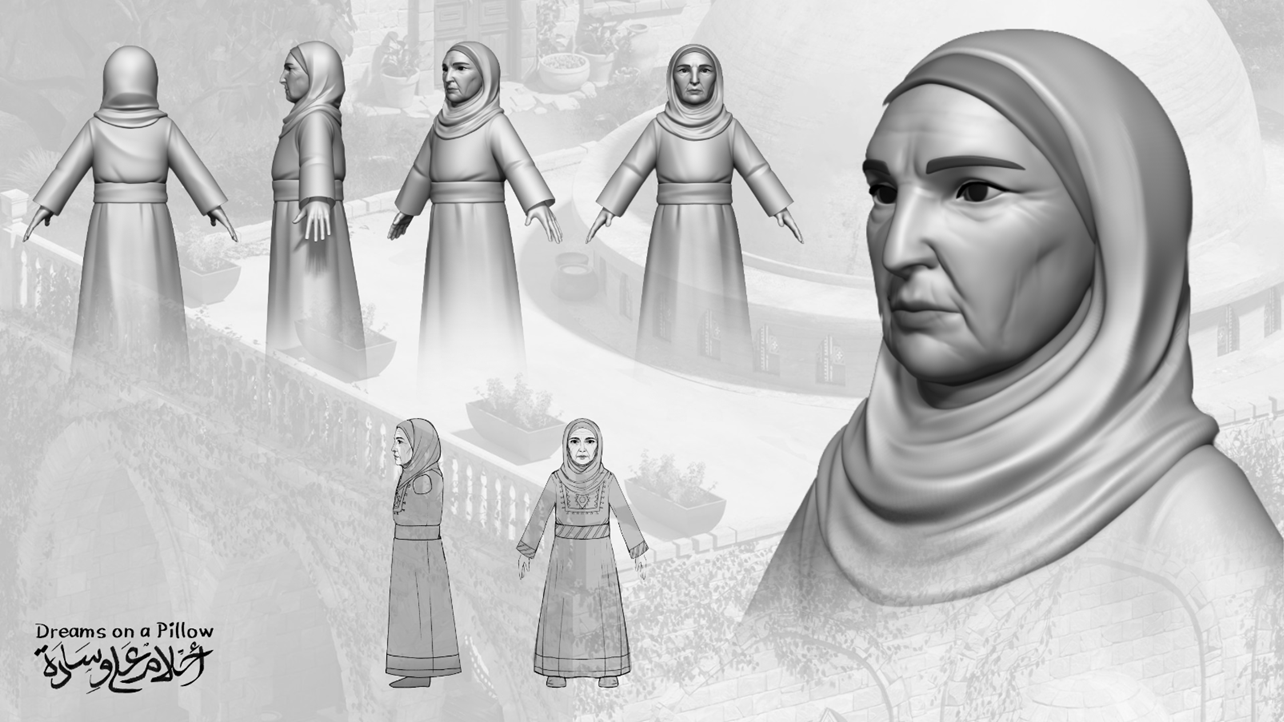
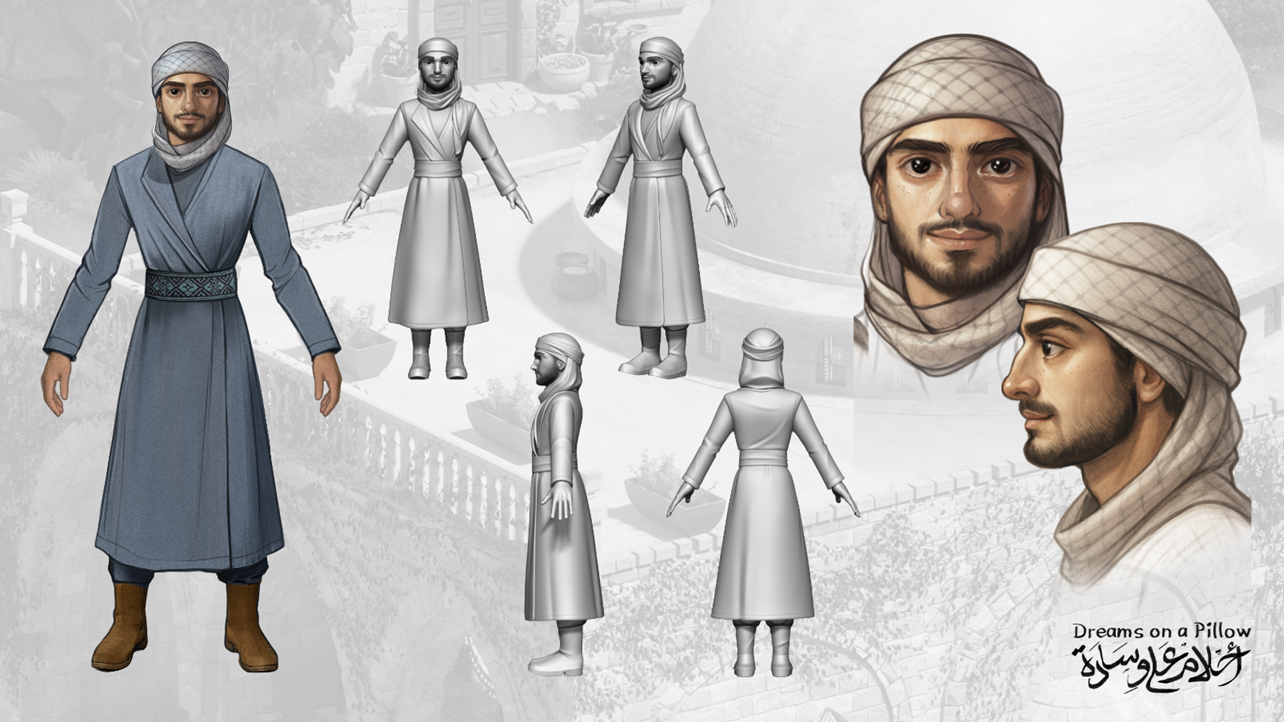
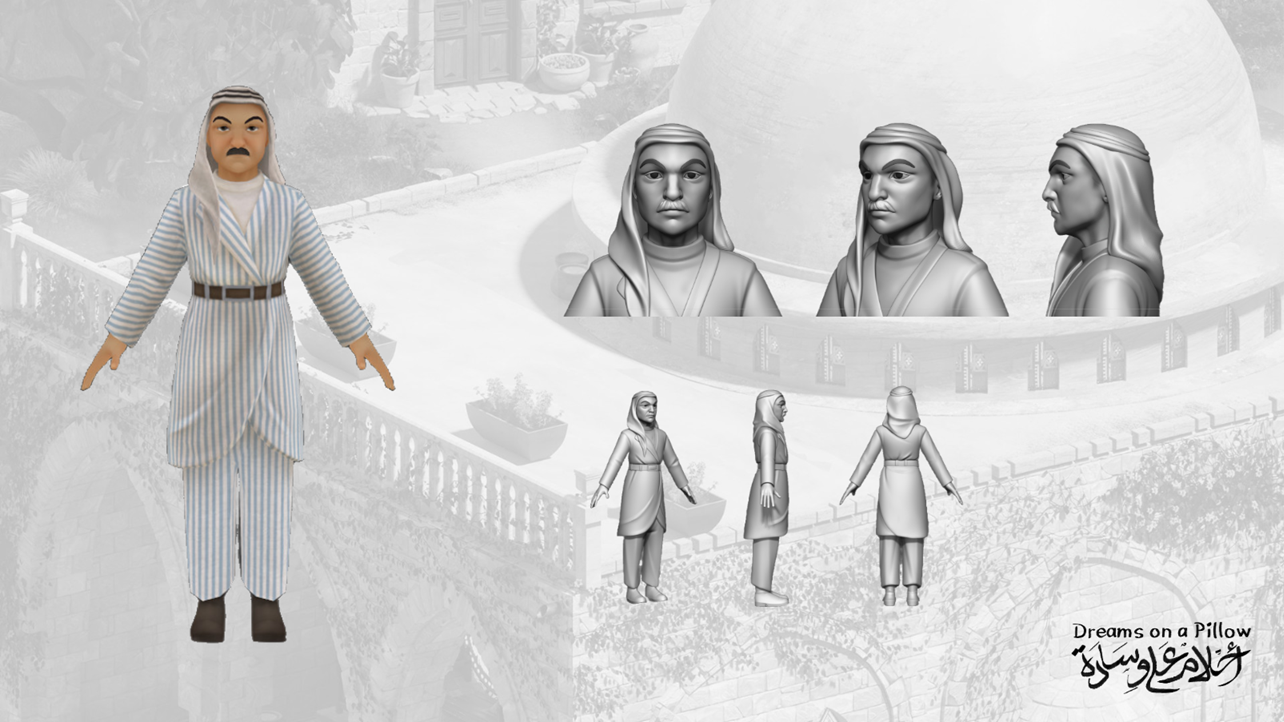
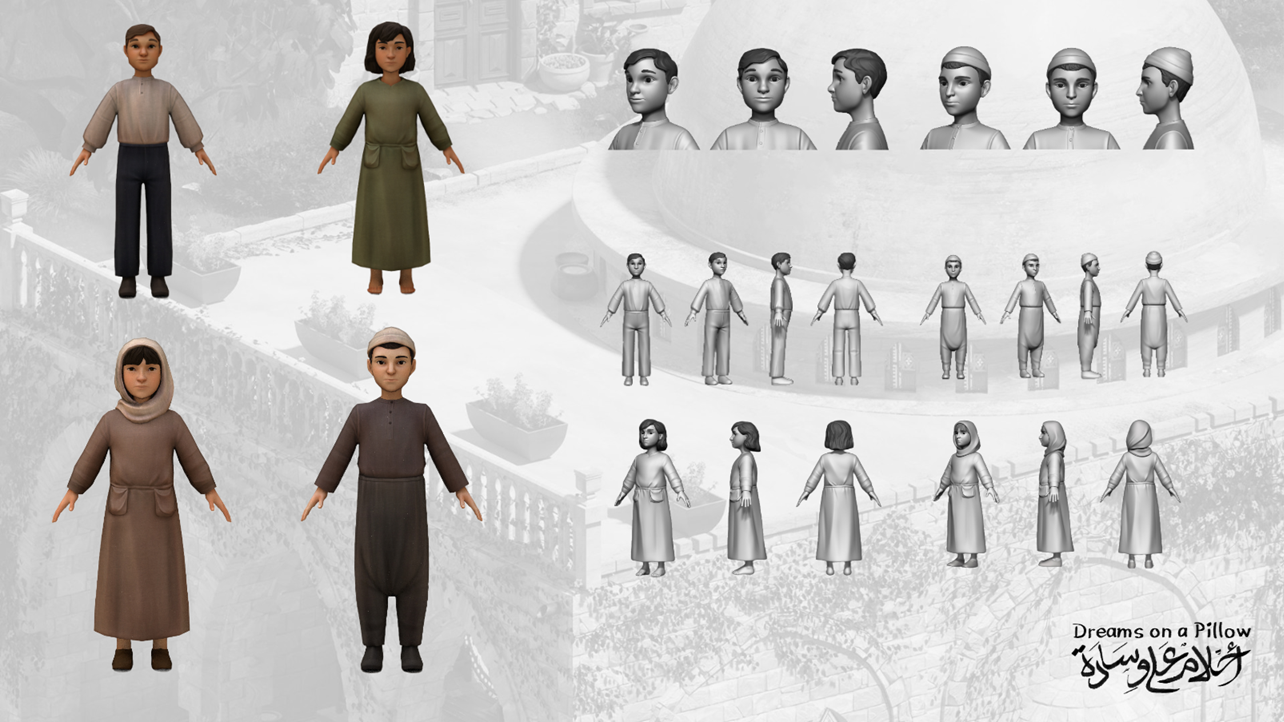
The team has been extremely hard at work fleshing out the characters Khadra meets and the locations Khadra visits on her journey North. Here is a look at the key characters and locations in this story.
Khadra is a young woman whose life we follow as she grows up in a peaceful seaside village of al-Tantura. Curious and playful, she spends her days helping her parents with chores around town, her neighbors in town, and waiting for the next opportunity to travel to the big city of Haifa. A while after she marries Canaan, a boy she knows from town, she becomes a mother just before the Zionist militias attack al-Tantura.
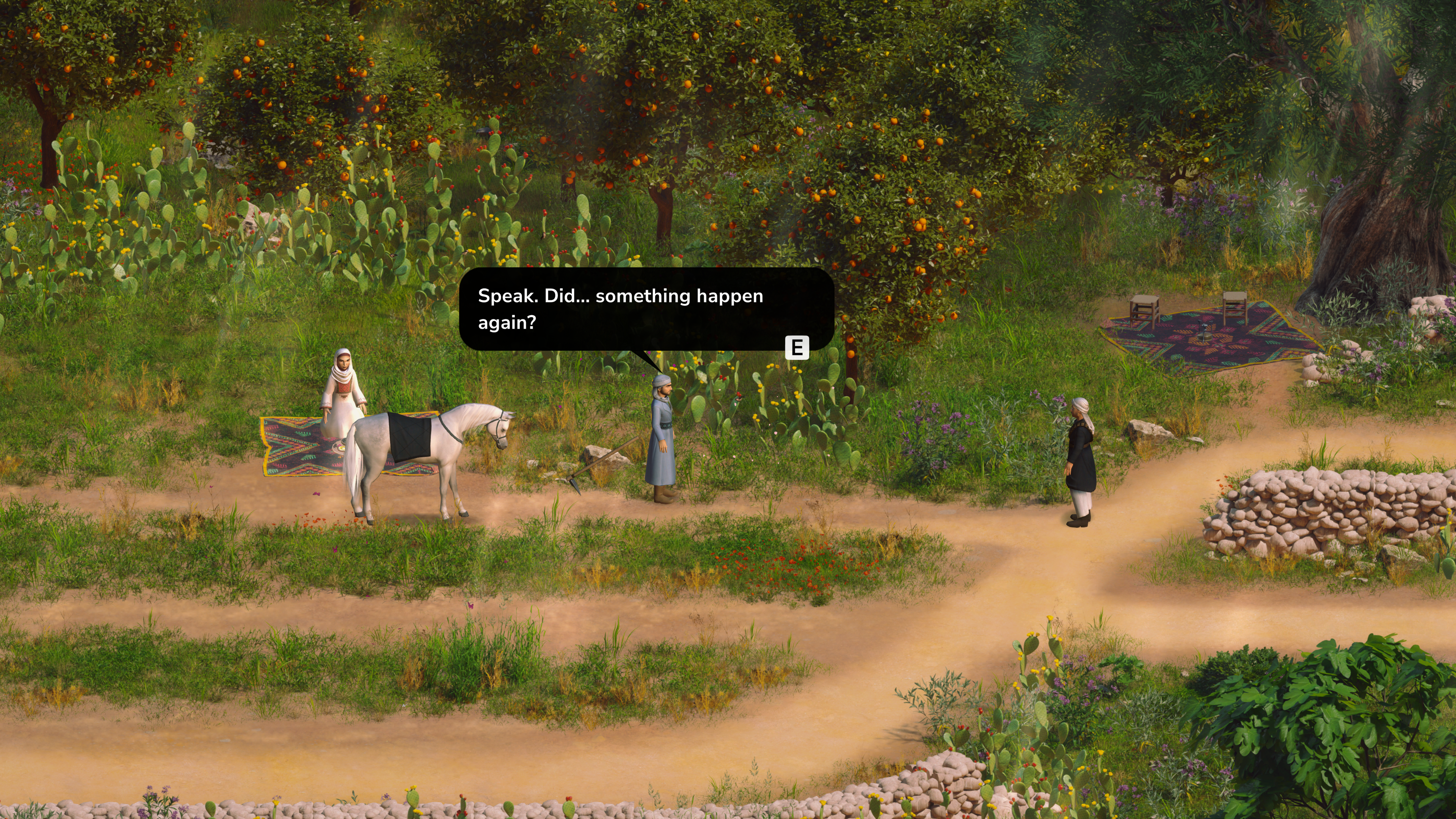
A young Palestinian farmboy and horserider, his closest companion is his horse Rawnaq. A composed and courageous soul, he is passionate about his family’s orchard and concerned about the militia's invasions in the region around al-Tantura.
A white Arabian steed, the loyalty of Rawnaq reflects the loyalty and love of the Palestinians to their land.
Khadra’s childhood friend, Maryam spent her childhood picking flowers and exploring the nature around al-Tantura.
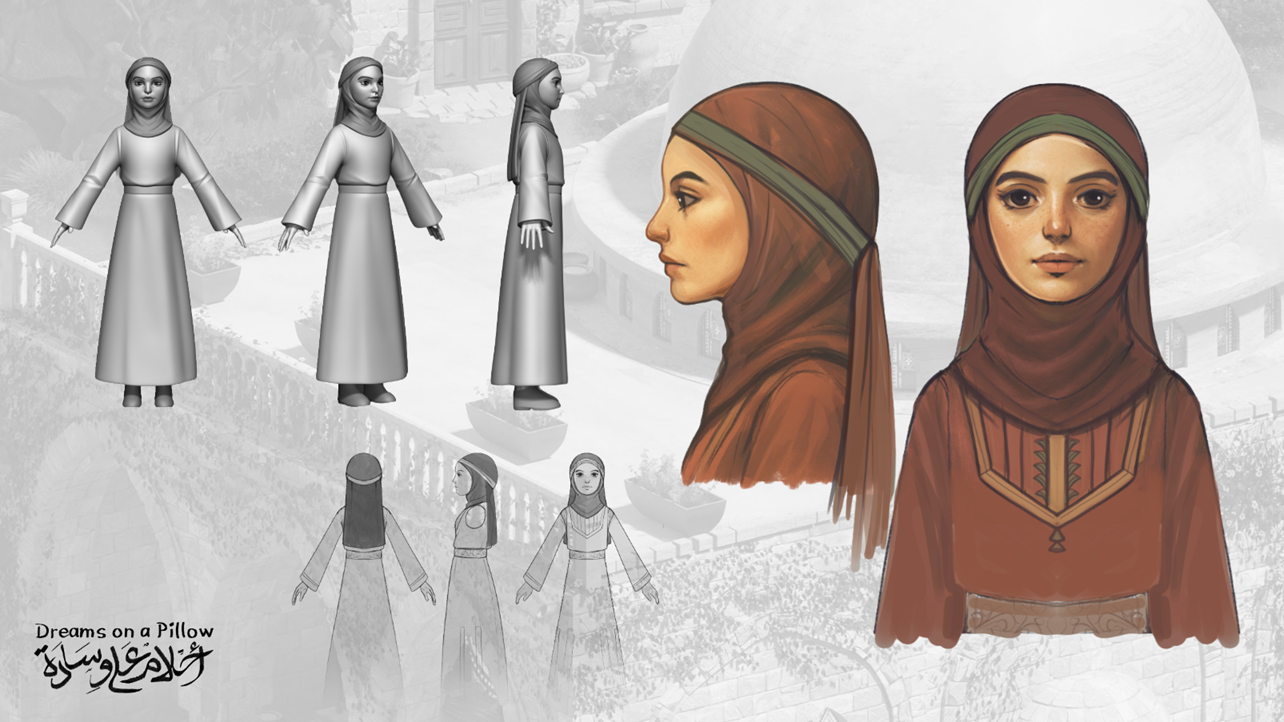
Khadra’s father’s friend, Abu Khalil is a sailor and fisherman living in the city of Akka. Despite his old age, he loves sailing the Mediterranean Sea between the imposing cities of Akka and Haifa.
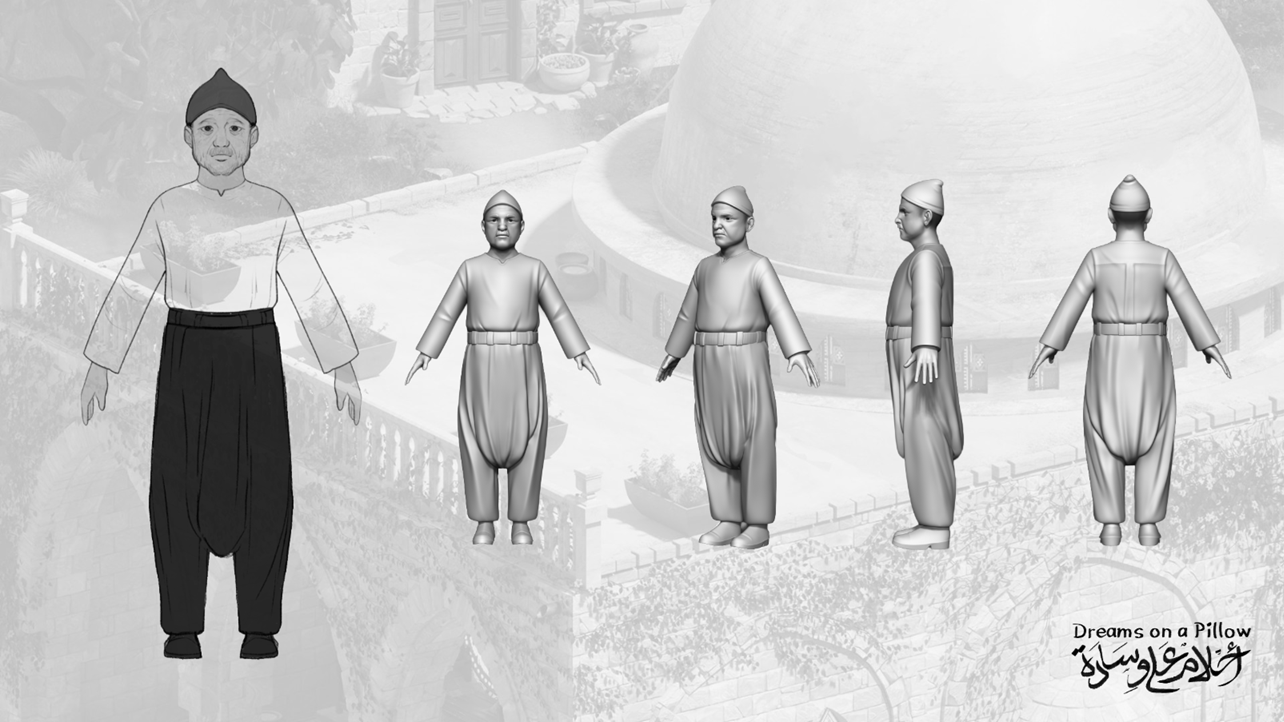
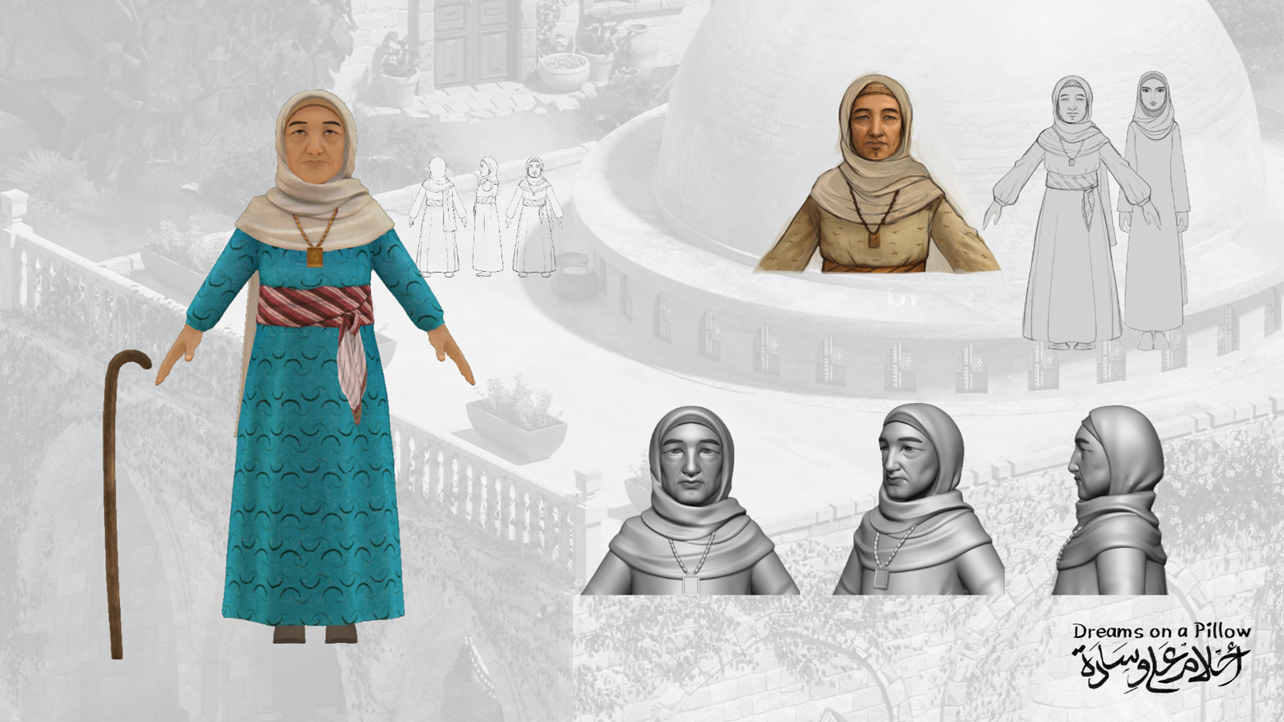
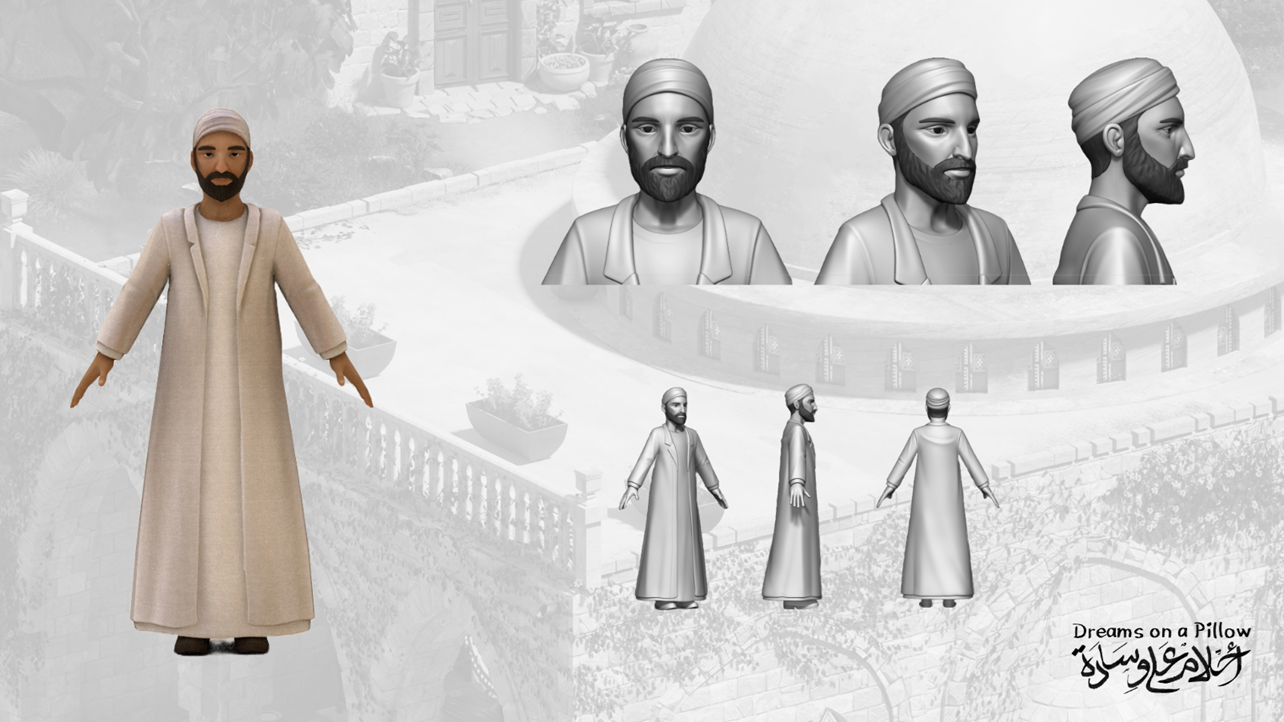
The game will feature many more characters. Here’s a quick look at some secondary characters Khadra will meet in her story.
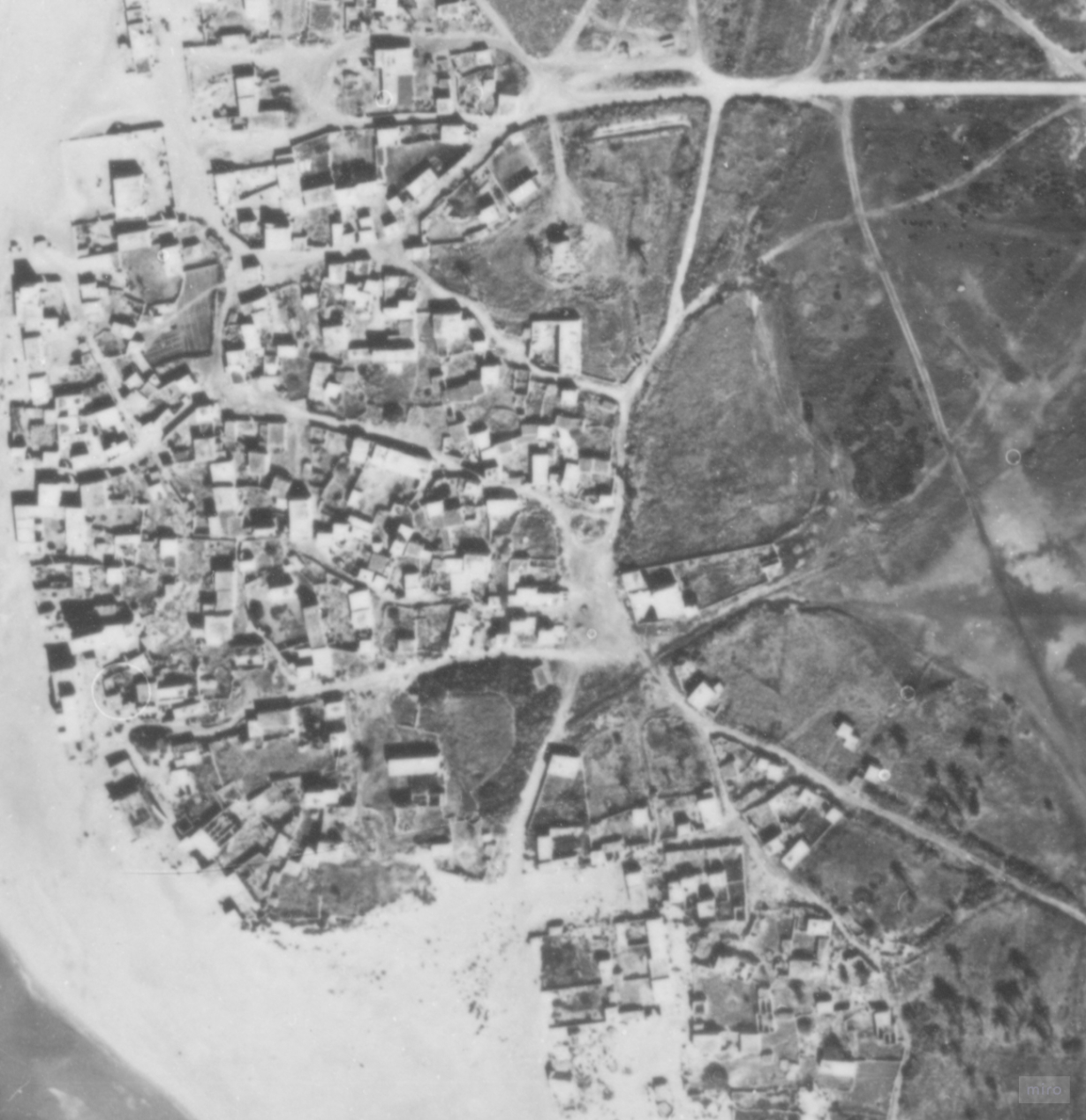
The thriving and beautiful fishing village of Al Tantura was situated on the Western coast of Palestine, overlooking the sunsets of Mediterranean Seas. Khadra’s childhood is full of memories of her times on the beach, the olive gardens, and with her friends and the townsfolk of Tantura.
Tantura was the site of one of countless massacres during the Nakba. On the night of May 22nd, 1948, the Zionist Alexandroni Brigade invaded the village, rounded up survivors, and massacred up to 200 unarmed Arab men. Their bodies remain in mass graves under a popular Israeli beach resort parking lot.
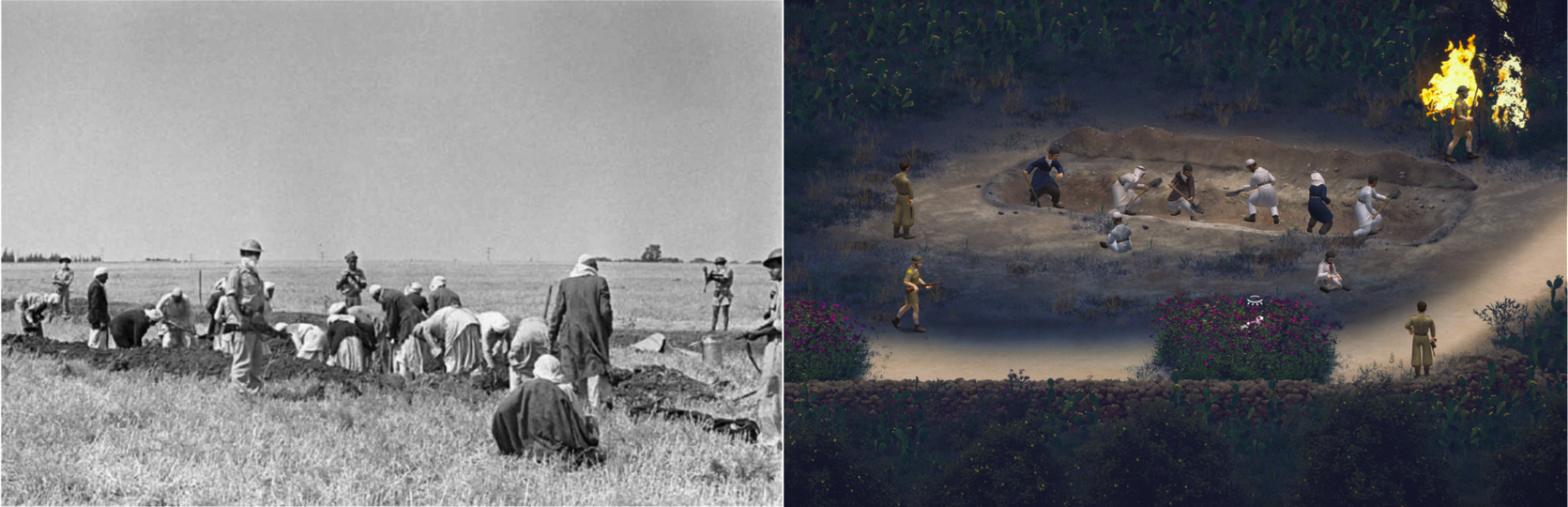
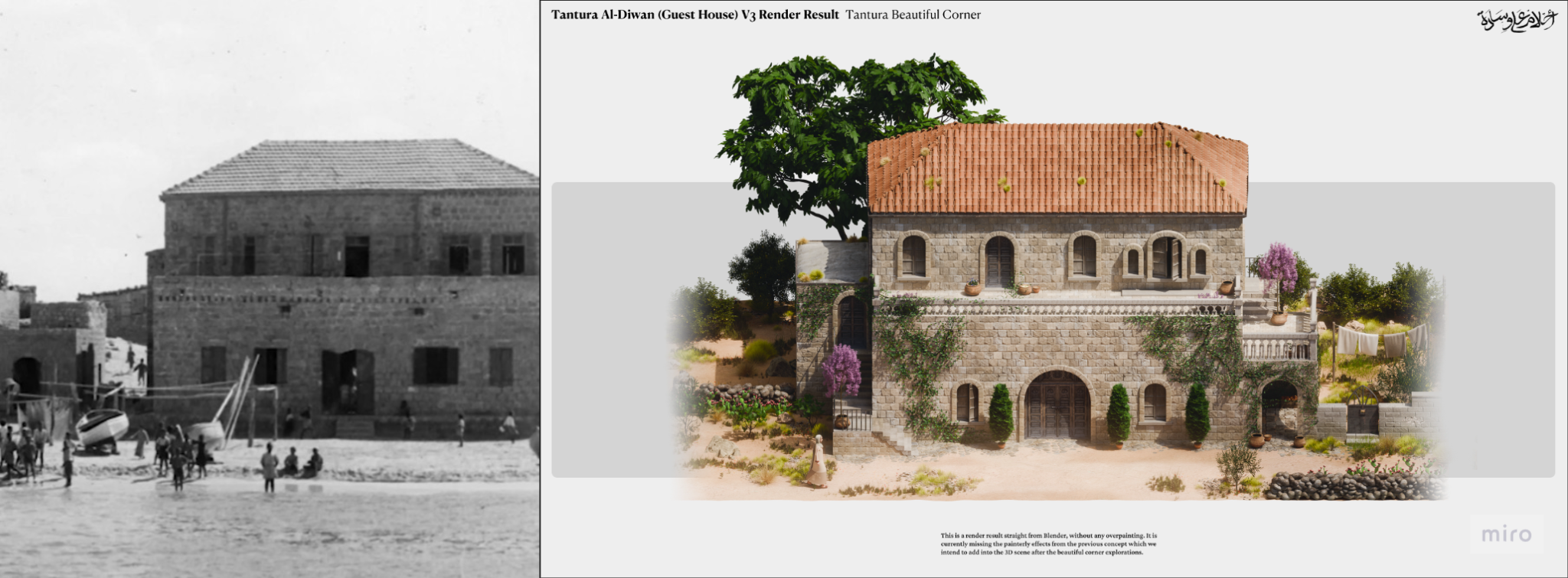
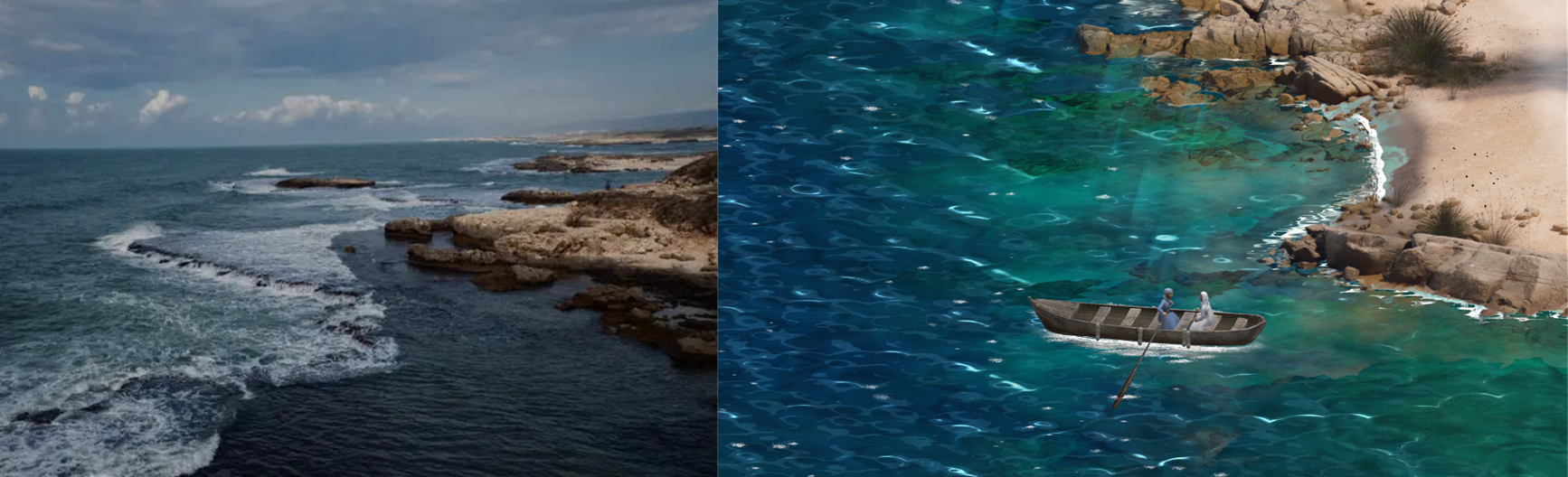
Al Furaides was the first destination to the East of Tantura, at the foot of Mount al-Karmel. It was an agricultural village benefiting from the fertile coastal lands, and one of the towns that made the region famous for its extensive olive groves, grain fields, fruit orchards and vegetable gardens.
A natural crossroads for trade and travel between the southern plains and the city of Haifa, it rapidly became an overcrowded labour camp for the female and infant survivors of many Zionist invasions surrounding the town. Out of fear, all the survivors were moving north, ejected from their homeland, fearing that what happened in Al-Tantura and other villages might happen again in Al-Furaides.
A centuries-old coastal village to the North of Furaides, Atlit was a multi-faith village defined by its proximity to both sea and salt marches made it naturally suited for fishing and salt production. Under British colonial rule, the town became a railroad hub with the arrival of a major railway station, and a major strategic location with the construction of a fortified detention camp for the Brits to detain Zionist immigrants illegally arriving into Palestine.
Atlit’s Arab population was violently forced out in mid-May of 1948, shortly before the massacre of Tantura. The British fortress was repurposed by the newly formed Israeli state as “POW Camp 791”, a violent concentration and labor camp that held survivors from the nearby coastal region - including those that survived the depopulation of Atlit and the Tantura massacre.
Haifa was a cosmopolitan Palestinian city with 145,000 residents, The premier industrial and cultural center of Palestine, much of the city was built around the employment provided by the Palestine Railways and Haifa Port companies, which operated the national railways and the thriving port of Haifa. A modern city far ahead of its time, it featured a vibrant press, a lively theater scene, and a powerful Palestinian labour movement protecting workers’ rights.
Zionist Irgun and Haganah militias terrorized the city for months, staging massacres, assassinations, ambushes, and psychological warfare. Loudspeaker vans playing the sounds of screams, bombs, explosions drove around Arab worker neighborhoods disrupting sleep, reminding Palestinians that they would meet the same fate as the victims of the massacre of Deir Yassin with recorded messages. Eventually, a combination of terror and indiscriminate mortar shellings turned Haifa from a thriving multi-cultural port into a shell of its former self - the mass flight of the Arab population reduced its numbers from 70,000 to less than 2,000 people, confined into the fenced-in Wadi Nisnas neighborhood.
The town of Al-Kabri was a large, prosperous village near the city of Acre. It was famous for its abundant springs, which had supplied water to Acre since the Ottomans built a sophisticated stone aqueduct system. A weekly market made it a trade center for the surrounding villages, and its lush orchards made it known as one of the most beautiful villages in the Northern Al-Jalil region.
The aqueduct of Al-Kabri was used for biological warfare by the Zionist Haganah by poisoning the water flowing to the city with specifically cultured strains of typhoid and dysentery pathogens. Within the mighty walls of Acre, already overpopulated by refugees from the nearby towns and the city of Haifa, a horrifying epidemic broke out. Combined with heavy shelling, the poisoned and weakened population signed the city’s surrender. The proud city was looted, and the survivors concentrated into ghettos or expelled.
After the fall of Acre, the Israeli military focused on the capture of Al-Kabri through indiscriminate and heavy shelling. While many residents fled during the bombardments, those that remained or were captured faced immediate violence and summary executions. After the town was fully massacred, the Zionists systematically blew up every building in the village, including the cemetery and mosque.
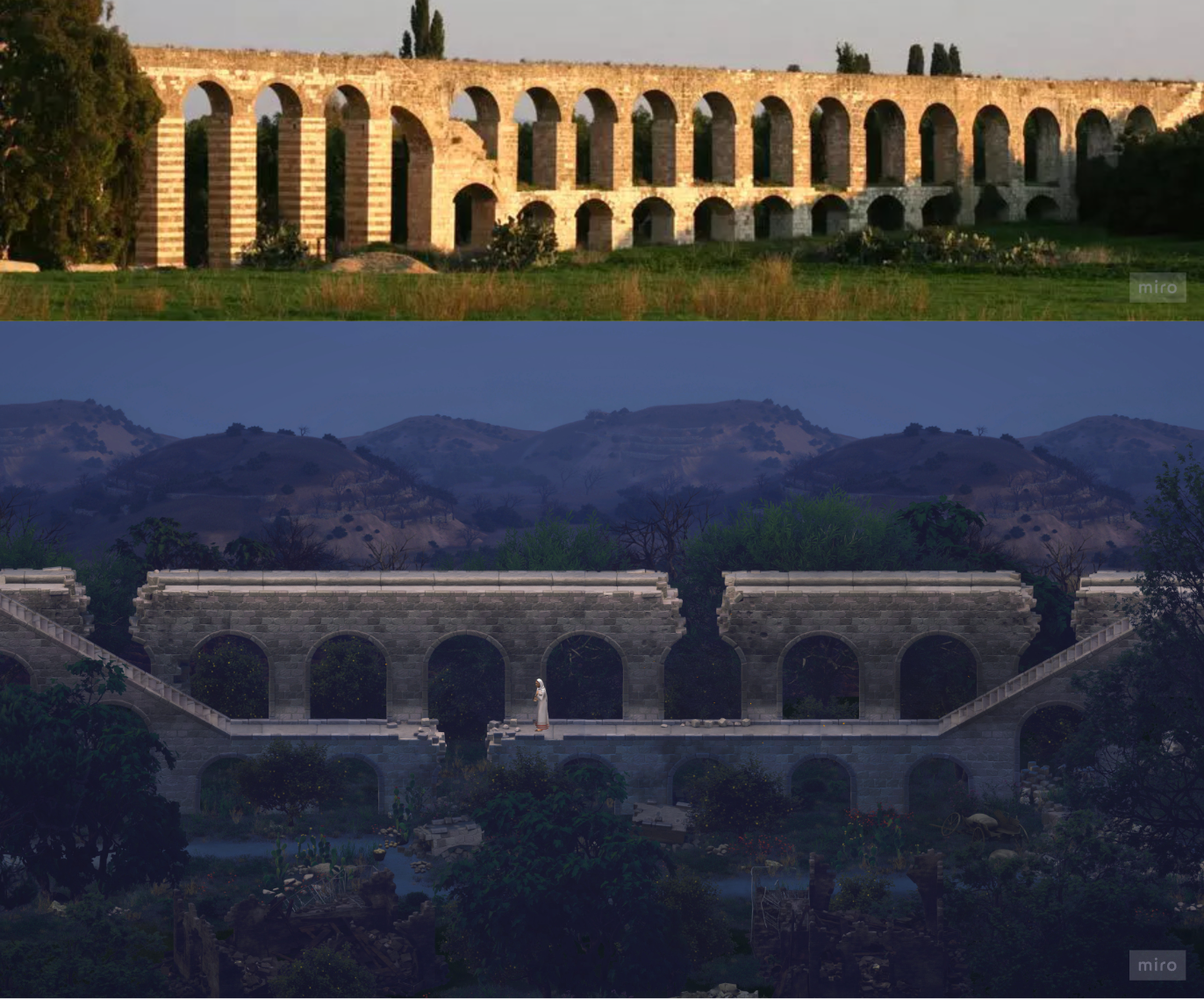
Ras al-Naqura was the northernmost crown of the Palestinian coast, perched atop white chalk cliffs that plunge into the Mediterranean. Famous for its natural sea caves and grottoes, it served as a border crossing on a vital international gateway, housing the customs post and the strategic railway tunnels that linked the Palestinian city of Haifa to Lebanon’s capital, Beirut.
In May 1948, the village was targeted by the Zionist Carmeli Brigade. Following the pattern of coastal depopulation, the village was attacked and its residents were violently forced out, with many being pushed across the nearby border into Lebanon to become lifelong refugees. The Zionist forces systematically demolished the Arab homes and structures to ensure no Palestinians could return. Today, the historic transit point and its natural wonders have been repurposed as an Israeli tourist site, its Palestinian history buried beneath the infrastructure of a militarized border.

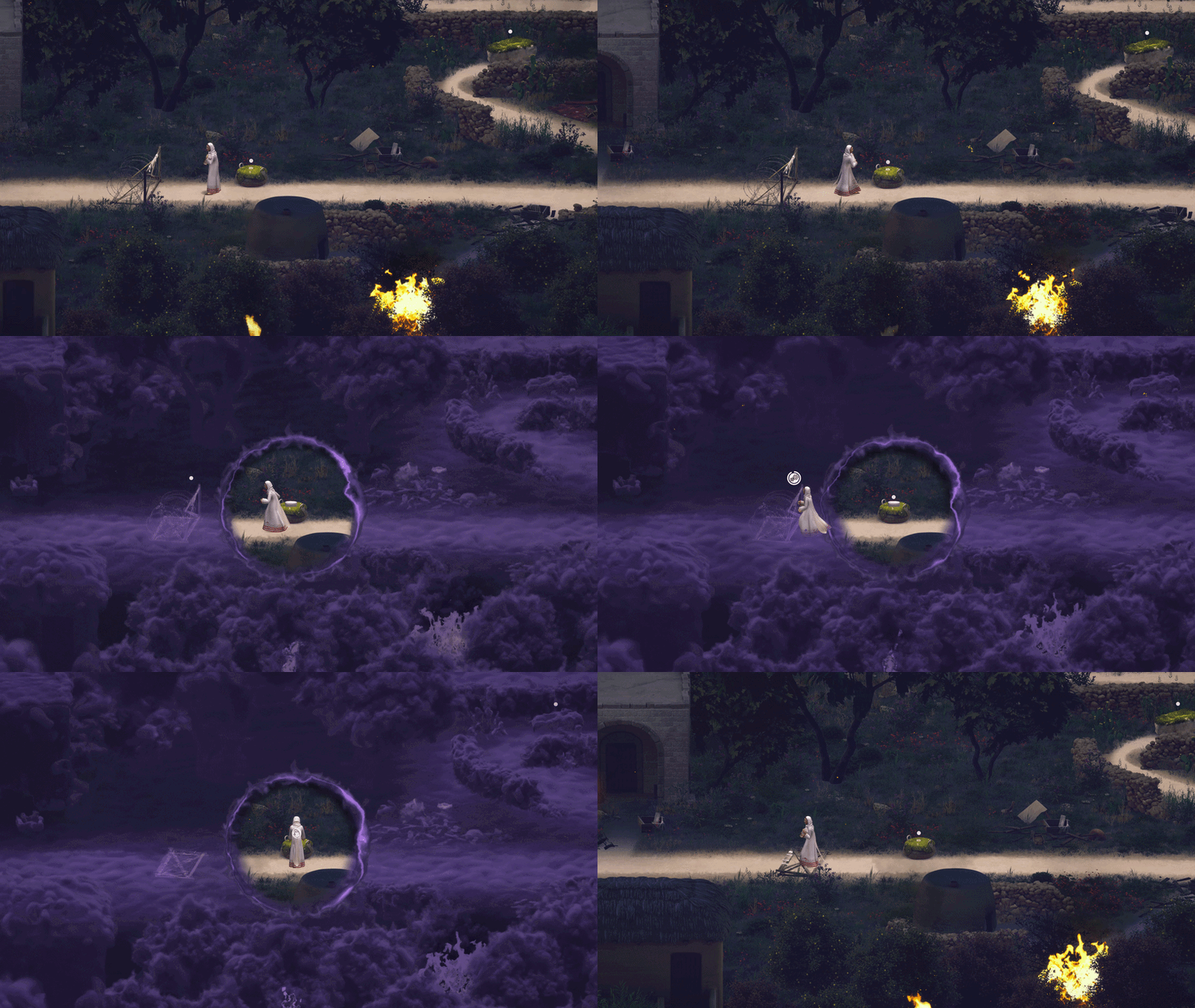
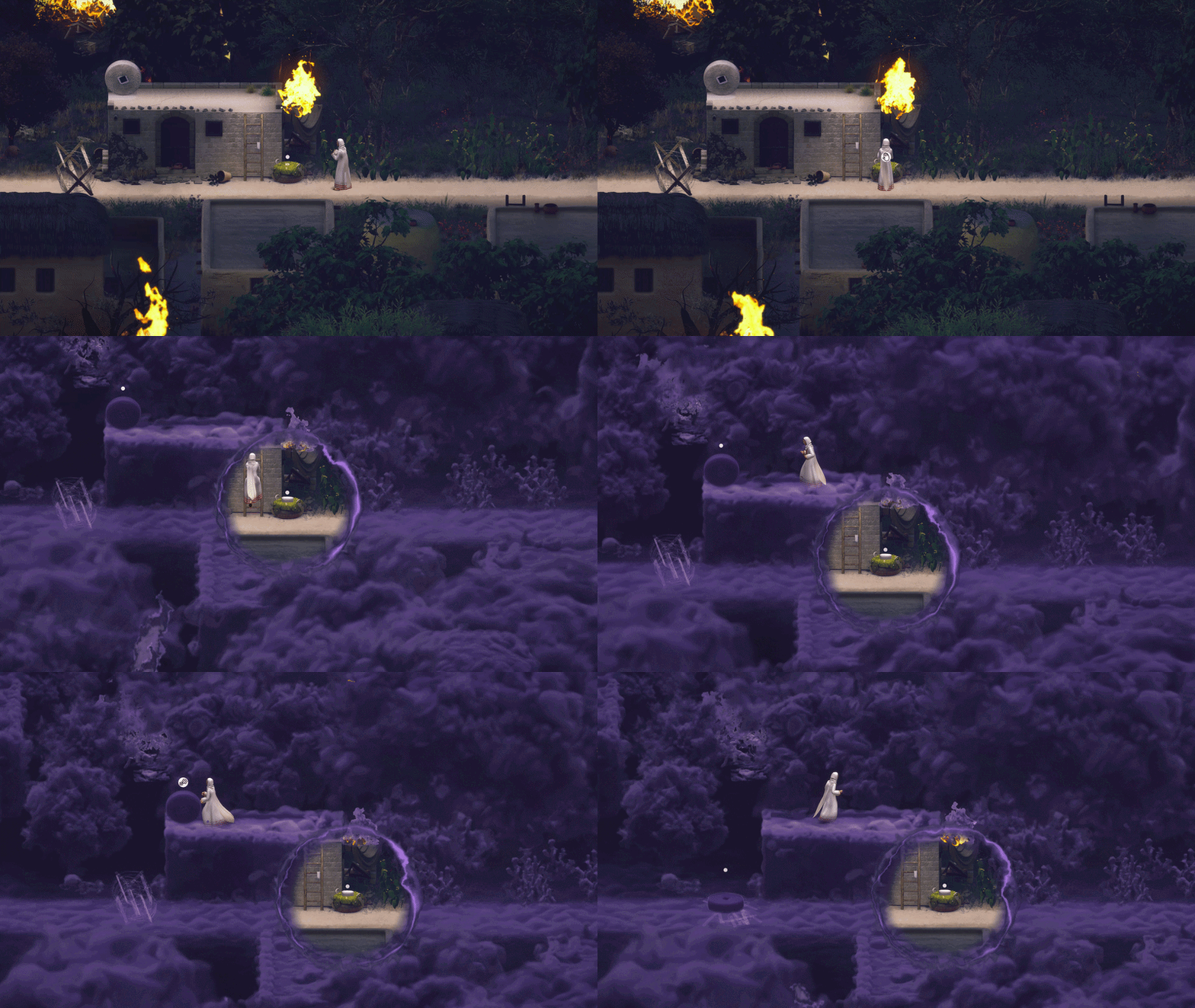
The Pillow is the central mechanic in the game. For Khadra, the Pillow is a psychological anchor during the unfolding horrors of the Nakba, holding the Pillow gives Khadra a sense of safety, and letting go of the Pillow, kicks off trauma-induced hallucinations.
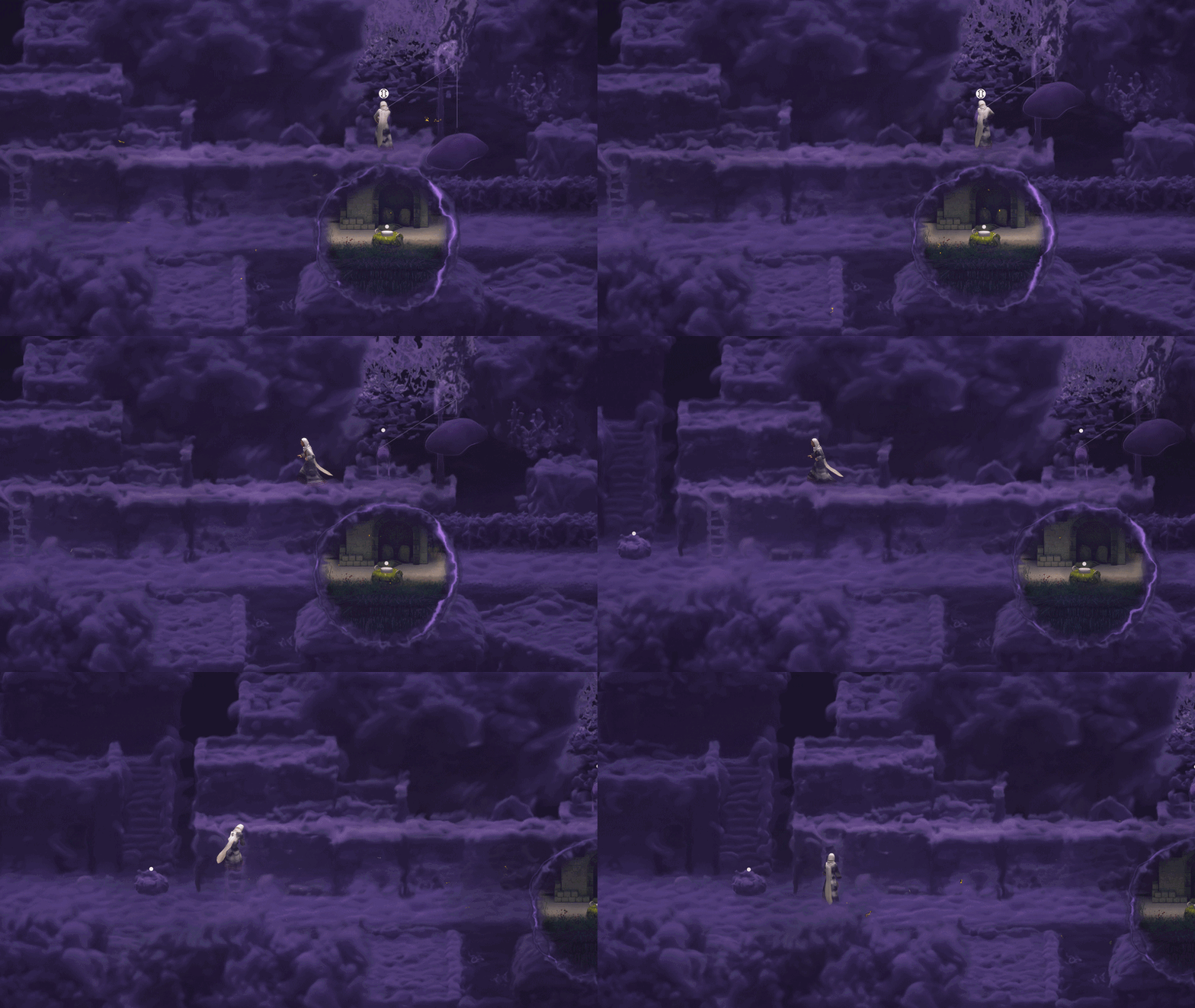
While holding the Pillow, Khadra walks slowly and cannot use her hands, limiting her movement to walking and crouching. Khadra has to let go of Pillow in order to climb ladders, crawl in narrow spaces and interact with the environment. But Khadra cannot stay away from Pillow for long periods of time. She must return to Pillow before the darkness overcomes her and she loses her consciousness.
While the Pillow protects Khadra from her hallucinations, it also restricts her movements. Khadra must brave the destruction, evade zionist militias, and reach safety with Pillow!
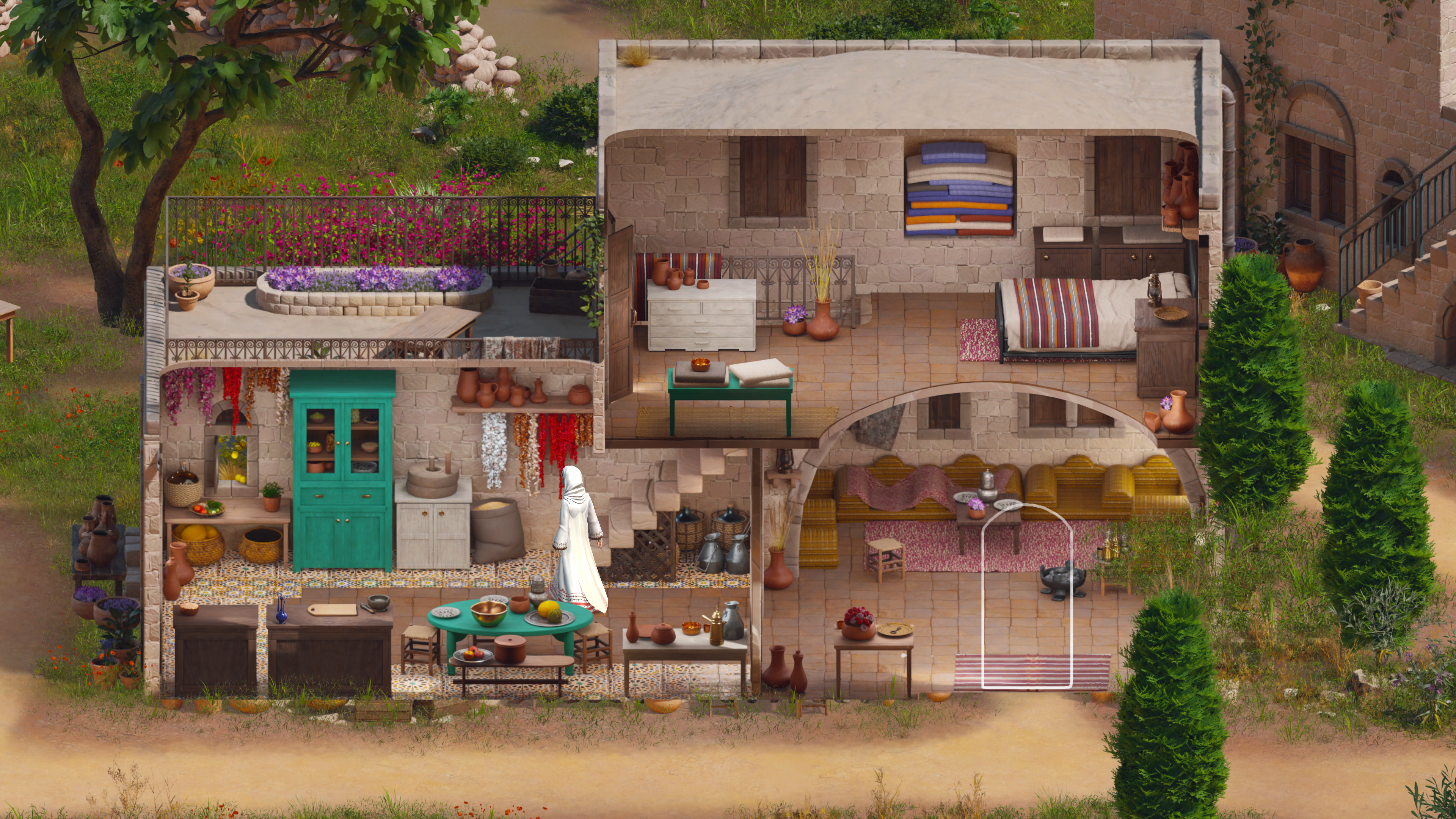
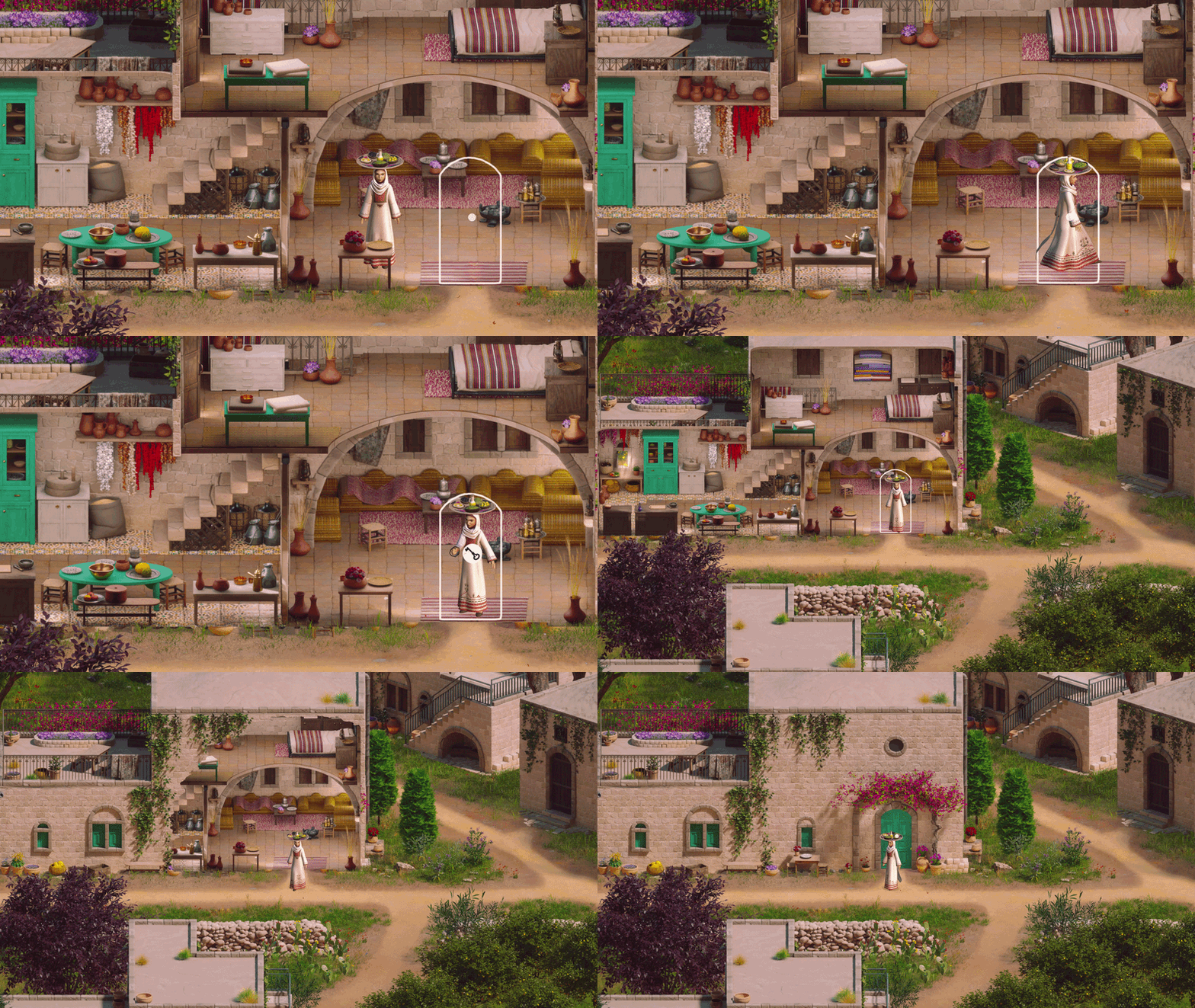
For the art style, the development team went with a highly detailed pre-rendered graphics style in a zoomed out orthogonal view, and realistically proportioned 3D characters with evocative animations. The team developed this unique style to authentically highlight the beauty of Palestine’s life, nature and culture before 1948 and to respectfully depict the plight of the Palestinian people and the horrors of the Nakba in 1948.
A huge amount of research went into the game to accurately portray Palestine during that time period. Palestine’s nature is brought to life with endemic plant and animal life, from cactus to orange and olive trees, to butterflies, birds and livestock. Similarly, the culture and craftsmanship of Palestinians before the Nakba is in full display from the way they dress, to building materials, architecture styles, and furniture and tools.
The game has three distinct visual languages for each of the three modes in the story: Dreams, Reality and Nightmare, meaning that much of the same areas, buildings and props in the game have to be rendered separately for each mode. In Dreams where Khadra relives parts of her childhood, Palestine is colorful and the colors are saturated showing the beauty of Palestine. During Reality (Nakba), a darker and gloomier style is used to depict the destruction and despair of the situation. In Nightmares which represent Khadra’s psychological trauma, everything is covered in purple smoke, hallucinations and horrific imagery.
The music and sound design of Dreams on a Pillow were developed with the goal of creating an emotional and culturally grounded experience that reflects both the beauty of Palestinian life before the Nakba and the psychological trauma caused by displacement and violence. Traditional instruments and textures associated with farmers, fishermen, and small communities were used as inspiration to create a sound world that feels authentic, fragile, and deeply connected to memory.
The musical approach revolves around a central theme that evolves throughout the game’s emotional states. In peaceful and dreamlike moments, the music is melodic, spacious, and organic, inspired by traditional Palestinian melodies that are reinterpreted, fragmented, and reinvented through a modern, intimate, and deeply personal language. Instruments such as ney-inspired winds, oud, soft frame drums, mijwiz-like textures, guitars, string quartet, and soft strings coexist to preserve a strong sense of identity while creating an emotional bridge with an international audience.
As the game transitions into the Nakba and nightmare sequences, that same musical world slowly collapses. Melodies become fragmented, harmonies unstable, and familiar sounds transform into distorted memories.
The nightmare sound design focuses on psychological tension, grief, guilt, fear, and emotional oppression. Music and sound design constantly blur together through drones, unstable textures, distant voices, distorted traditional instruments, breathing sounds, low resonances, and environmental details inspired by domestic and rural life. The nightmares are therefore not external horror worlds, but intimate emotional spaces shaped by trauma and memory.
A specific research process was also dedicated to the environmental ambience of Palestine itself, carefully recreating the sound of the wind, rural spaces, wildlife, and endemic birds such as the Palestinian sunbird and goldfinches, helping bring the world and its memories to life with authenticity and respect.
Special attention was also given to interactivity and spatial audio. Sounds such as footsteps, weapons, ambience, and environmental storytelling elements were designed in 3D to increase immersion and realism within the game world. The audio implementation was built with a modular structure separating music, ambience, and sound effects, allowing dynamic transitions between Dreams, Reality, and Nightmare states. The result is an evolving audio landscape that emotionally follows the player throughout the journey, supporting the game’s central themes of memory, loss, resilience, and identity.

We get asked often why we are not on Kickstarter where gamers go to back their favorite game projects. Kickstarter does not support our region, much less Palestine. LaunchGood is a global giving platform for Muslim-led initiatives that is not designed for creative projects. LaunchGood was our only option for us as their platform extends support to Palestine.
In the first crowdfunding campaign we provided detailed information about the full budget and breakdown. The crowdfunding target and what we were able to raise were less than 50% of the declared budget back then. This was enough to cover preproduction and set up the pipelines needed to achieve our artistic and technical goals. The funding we’re raising now covers the remaining budget needed to complete the game and release it on PC.
400k is the full amount we need to release the game on all target platforms (PC, all consoles, mobile) and in all target languages. With our current resource allocation it will take us 18 months to finish the remaining 16 levels. At our current burn rate, we need at least $230k to finish the game content and release on PC only.
If we don’t hit the campaign target LaunchGood allows us to collect what we raise unlike Kickstarter which requires the funding goal to be achieved
If we are not able to secure the full amount during this campaign, we will keep the door open for late pledging and explore more venues for community support. If needed we will adjust ramp down resources and develop the game at a slower pace to make up for the budget shortfall. We will continue to focus on crowdfunding and community support as this is the only way to maintain the project’s independence.
I supported you before in the previous campaign, if I back you again can you combine my support amounts and unlock giving level rewards based on my totals?
Yes. We combine all your support amounts across the separate campaigns and distribute perks for the giving level your total amount reaches. Please make sure to use the same email address for all your contributions.

From an award-winning Palestinian game designer, Rasheed Abueideh, Dreams on a Pillow is a pseudo-stealth, puzzle adventure game inspired by a Palestinian folktale about a young woman called Khadra. Throughout the game, players encounter the untold stories of Palestinian history woven through Khadra’s dreams, haunted by her nightmares and the harsh displacement and relentless pursuit of refuge after being torn from her home.
About Rasheed Abueideh
Rasheed Abueideh is an award-winning Palestinian creative director & game designer. Known for his debut game Liyla & The Shadows of War- a multi-award winning game- that shines a light on the plight of children in the 2014 attacks on Gaza. He is the father of six children living in Nablus, Palestine.
On generative AI
The Dreams on a Pillow team believes that telling human stories about human history requires human voices and human hands. Even if that wasn’t the case, much of the content about the Nakba available online (and thus in the expanded datasets of these AI systems) is censored and sanitized to suppress the truth of the Palestinian catastrophe. In our experience, any attempt to use existing systems to create work in support of Palestine or describing the actual history of the Zionist occupation of the Palestinian lands is met with safeguards, censorship, and potential refusal of services. This is true for crowdfunding platforms, social media, image sharing platforms, and we have no reason to believe generative AI platforms are any different.
As such, Dreams on a Pillow is proudly human-made.
On risks
Launchgood is a crowdfunding platform that was created by Muslim founders with the explicit idea that Muslims have incredible stories to tell. As such, we are not concerned with funding being withheld or otherwise being unable to reach the team.
A clear plan for the completion of the game has been put in place to ensure continuity in the case of Rasheeds’ disappearance, injury, or demise at the hand of the continuously expanding Israeli aggression in the West Bank.
https://store.steampowered.com/app/4438850/Dreams_on_a_Pillow/
Watermelon Supporter
Digital copy of the game.
340 claimed
Blossom of Resilience
Digital copy of the game. Your Name listed in the "Backers" section in the game credits
204 claimed
Palestine Sunbird
Early Access to the game before the official release. Digital copy of the game.
60 claimed
Poet of Palestine
Digital copy of the game, Full soundtrack of the game in digital format
51 claimed
Nakba Witness
All of the above Plus Exclusive access to a documentary about the game.
68 claimed
Homecoming
All the Above Plus Exclusive Digital Art Book showcasing the game’s development, concept art, and historical insights.
34 claimed
Guardian of Stories
All the Above Plus Your name listed in the “Guardian of stories” section of the credits. High-quality digital wallpapers featuring game concept art. Exclusive access to a vertical slice of the game.
6 claimed
Handala Protector
All the Above Plus Your name listed in the “Supporters” section of the credits. Digital Map of Tantura Nakba Route.
4 claimed
Key Holder
All the Above Plus Your name listed in the “Key Holders” section of the credits. Digital copy of Palestine Map Poster. Exclusive Video Call: Join us for a personal video call to discuss the game’s development, share your insights, and learn more about the creative process.
3 claimed
Kufiya Guardian
All the Above Plus. Physical Palestine Map Poster. Made in Palestine Kufiya.
3 claimed
Camel of Hardships
All the Above Plus We will plant an Olive tree with your name in Palestine. Handmade Tatreez of Palestine Map
0 claimed
Every donation is backed by our Trust & Safety guarantee.
Each fundraiser is reviewed by our team to ensure they are legitimate.
Our encryption and security protocols protect your personal information and financial data.
We take great care in providing a world-class giving experience.

Backed by our Trust & Safety guarantee